Best Nikon Lenses for Landscape Photography

What are the best Nikon lenses for landscape photography? After I posted my last article on “Best Nikon Lenses for Wedding Photography“, I have been getting many requests from our readers to also talk about lenses for photographing landscapes, nature and wildlife (another post on best Nikon wildlife lenses will be published soon). In this post I will not only talk about which Nikon lenses I believe are the best for photographing landscapes, but also when I use a particular lens, along with plenty of image samples from each lens. Please keep in mind that the information I present below is a personal opinion based on my experience so far, which is subject to change. No third party lenses are presented either, although some Zeiss, Sigma, Tamron and Samyang lenses are phenomenal for landscapes. If you have a favorite lens of yours for landscape photography that is not listed below, please feel free to add a comment on the bottom of the page with some information and links to pictures (if you have any that you would like to share).

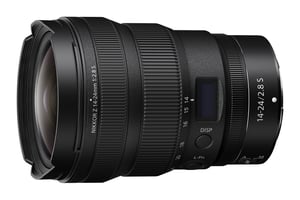
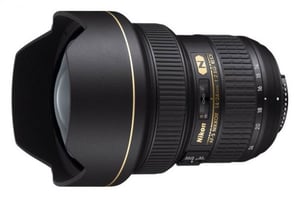
1) Nikon 14-24mm f/2.8G

I want to start out with a lens that I have a love and hate relationship with. On one side, the Nikon 14-24mm f/2.8G is one of the sharpest lenses ever produced by Nikon. It has phenomenal optics (center to corner, throughout the frame and aperture range), beautiful colors, super fast autofocus and an extremely useful focal range for wide-angle photography. On the other hand, it is a heavy, bulky and expensive lens that cannot accommodate filters. Sadly, not just circular filters and filter holders but pretty much any kind of hand-holdable filter. Its round front element shape and the built-in lens hood just make it impossible to use filters. Sure, you can buy a filter holder system from Lee and other manufacturers for this lens to accommodate filters, but it is not cheap and you would have to purchase a set of large 150mm filters, so forget about using your existing filters. I really wish Nikon allowed us to use small replaceable filters close to the lens mount, just like on telephoto lenses and this lens would have been irreplaceable.

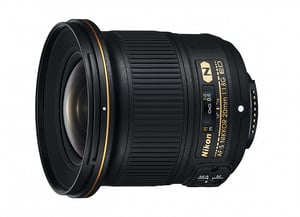
Nikon 14-24mm f/2.8G ED

If you do not heavily rely on various filters like I do, then you will never be disappointed with this lens – yes, it is that good. If ability to use filters is a must, the only other full-frame lens from Nikon I would consider would be the Nikon 16-35mm f/4 VR lens (see my Nikon 16-35mm VR Review). If you are a DX shooter, the Nikon 12-24mm f/4 is superb.

Here are some sample images from the Nikon 14-24mm f/2.8G:
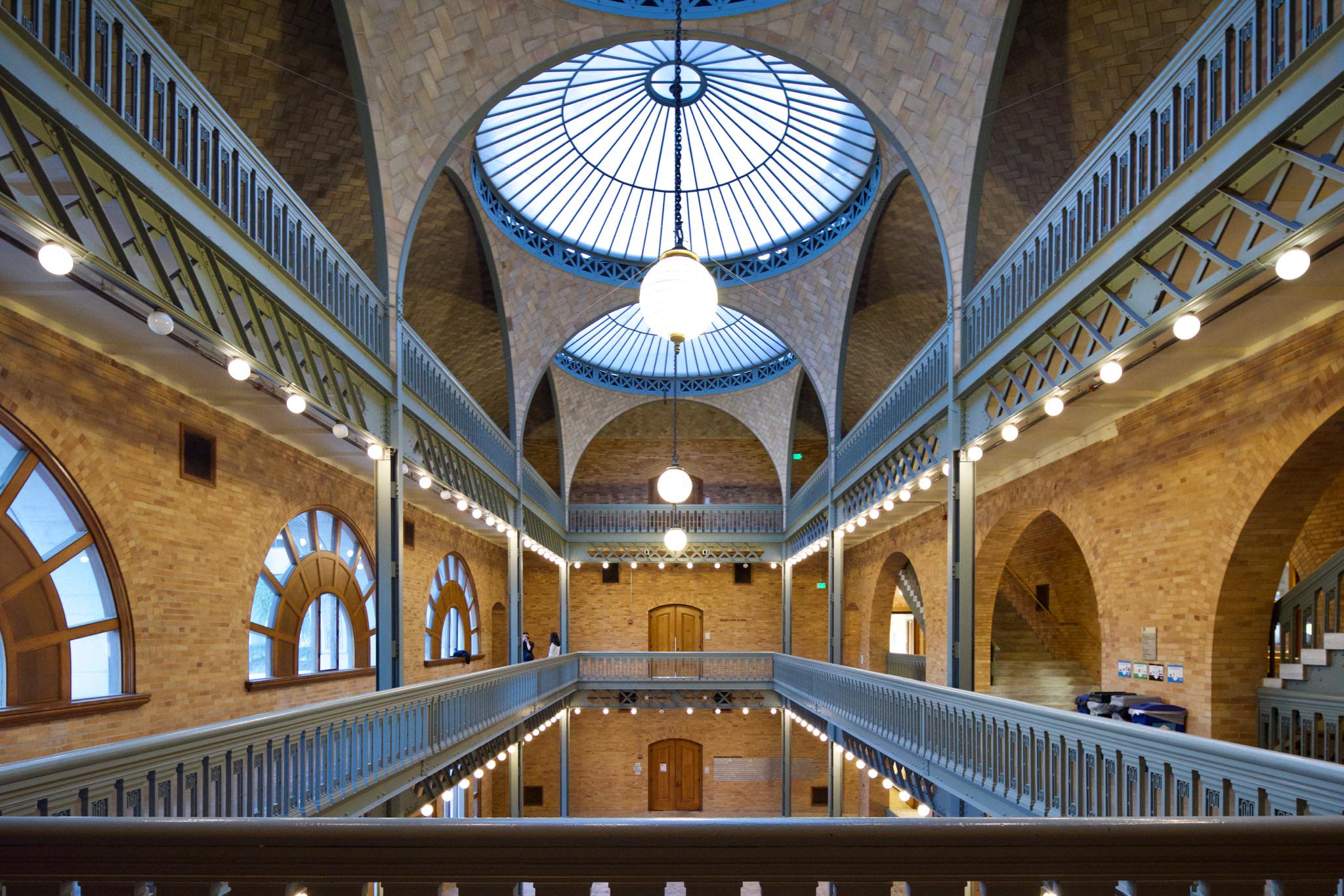
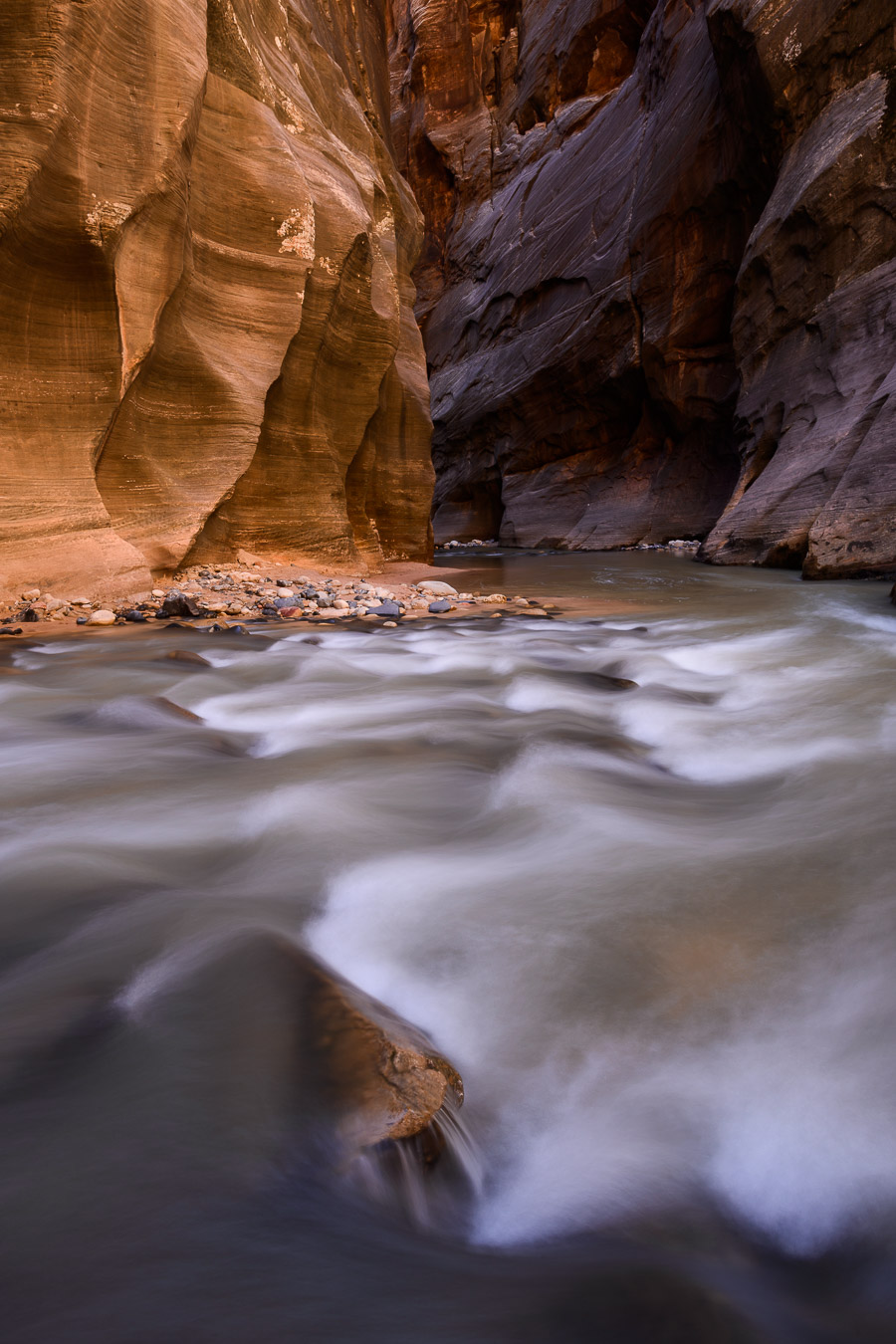
Castle Tunnel

Windows

Lighthouse

See my detailed Nikon 14-24mm Review for more information on this lens.

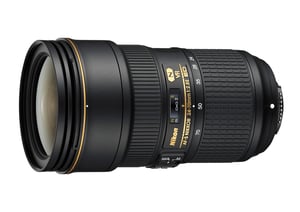
2) Nikon 24-70mm f/2.8G

Year after year, the Nikon 24-70mm f/2.8G has been my #1 most used workhorse lens for landscape photography. While its performance is not as impressive as on the Nikon 14-24mm f/2.8G, especially in the corners at large apertures, it just needs to be stopped down to f/5.6 and smaller to unveil its true performance. It has a lighting quick AF, beautiful color rendering, extremely useful zoom range on full-frame cameras and it takes filters! But similar to the 14-24mm it also has a few problems – it is bulky, heavy, expensive and has no VR.

Nikon 24-70mm f/2.8G ED

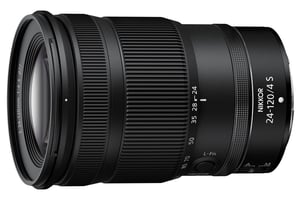
Ever since the superb Nikon 24-120mm f/4 VR (see my Nikon 24-120mm VR Review) has been released, I have been thinking more and more about switching to it. I have not done it for one major reason: lens build and weather sealing. The Nikon 24-70mm is built like a tank and has suffered all kinds of abuse from me. I have dropped it, exposed it to sub-zero / extremely hot temperatures, used it in very windy and dusty environments, exposed it to extreme humidity and the list goes on and on…it has survived it all and it is still performing like a champ. I honestly do not think the 24-120mm would have survived all that.

I would not recommend it for DX shooters, because it has a not-so-useful 36-105mm equivalent focal length due to the 1.5x crop factor, so something like the Nikon 16-85mm VR would be a great low-cost alternative. I had a hard time picking my favorite images from this lens, because there are too many, so here are a couple from this year:

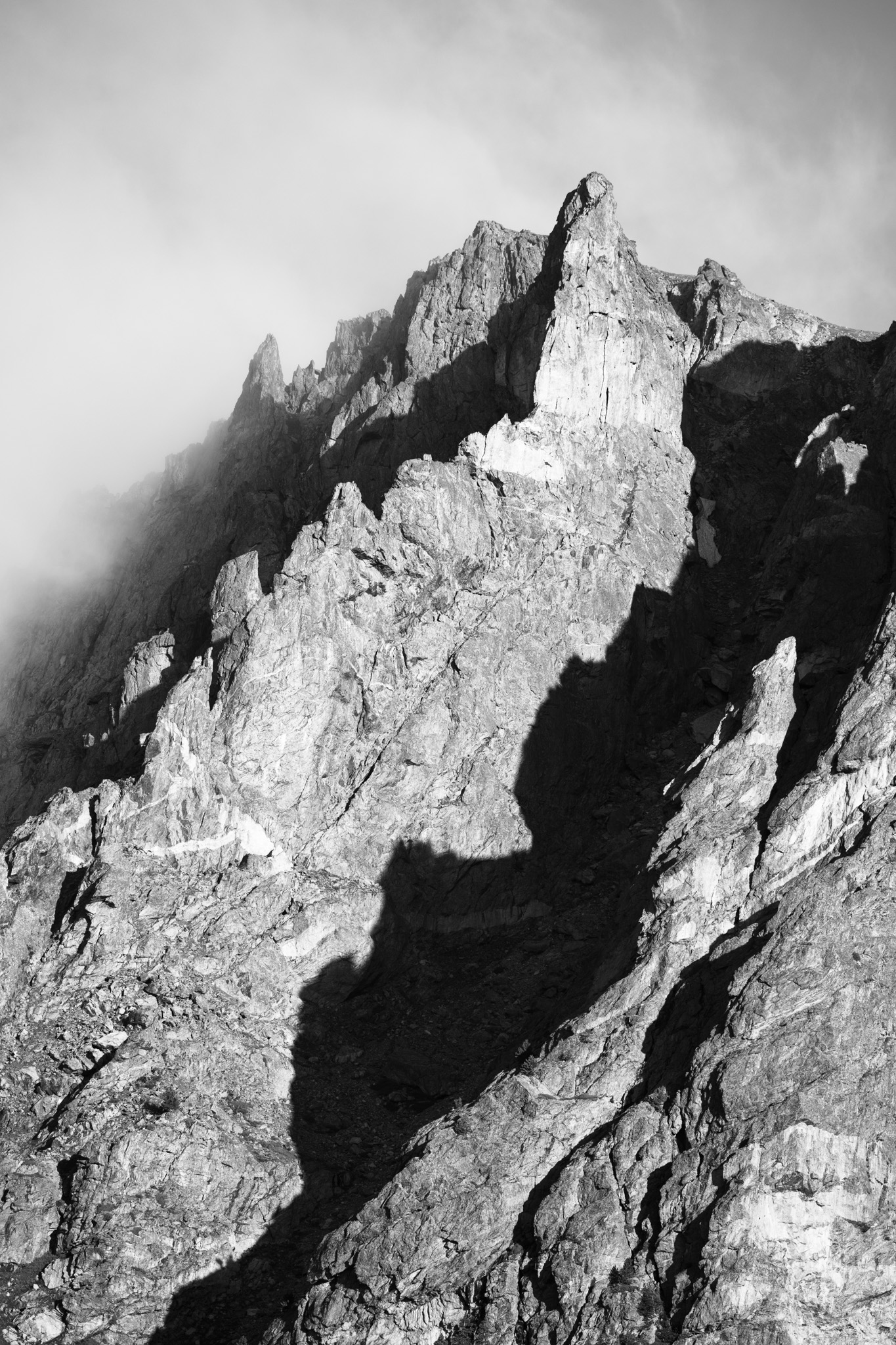
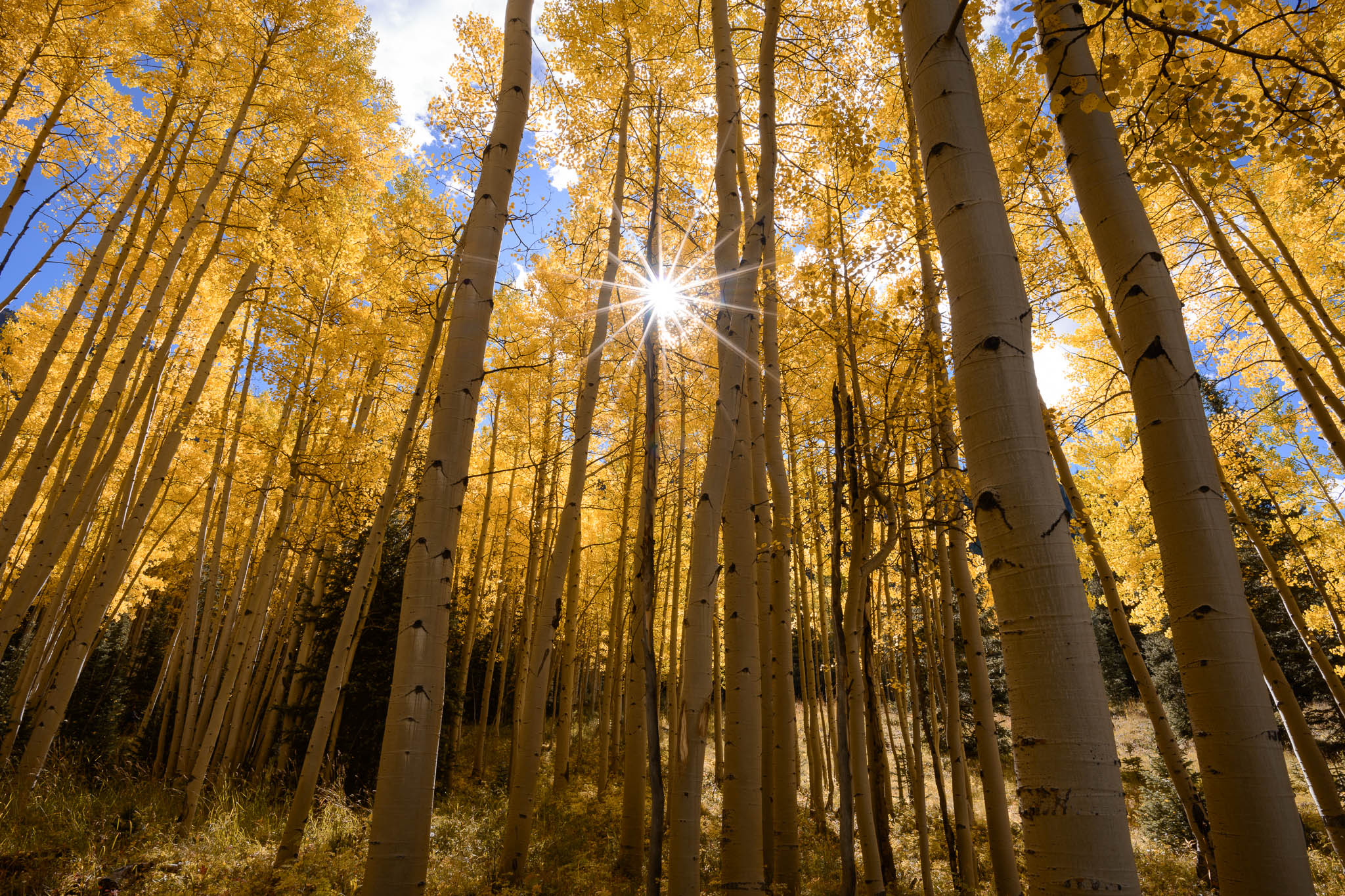
Glacier NP #8

Glacier NP #5

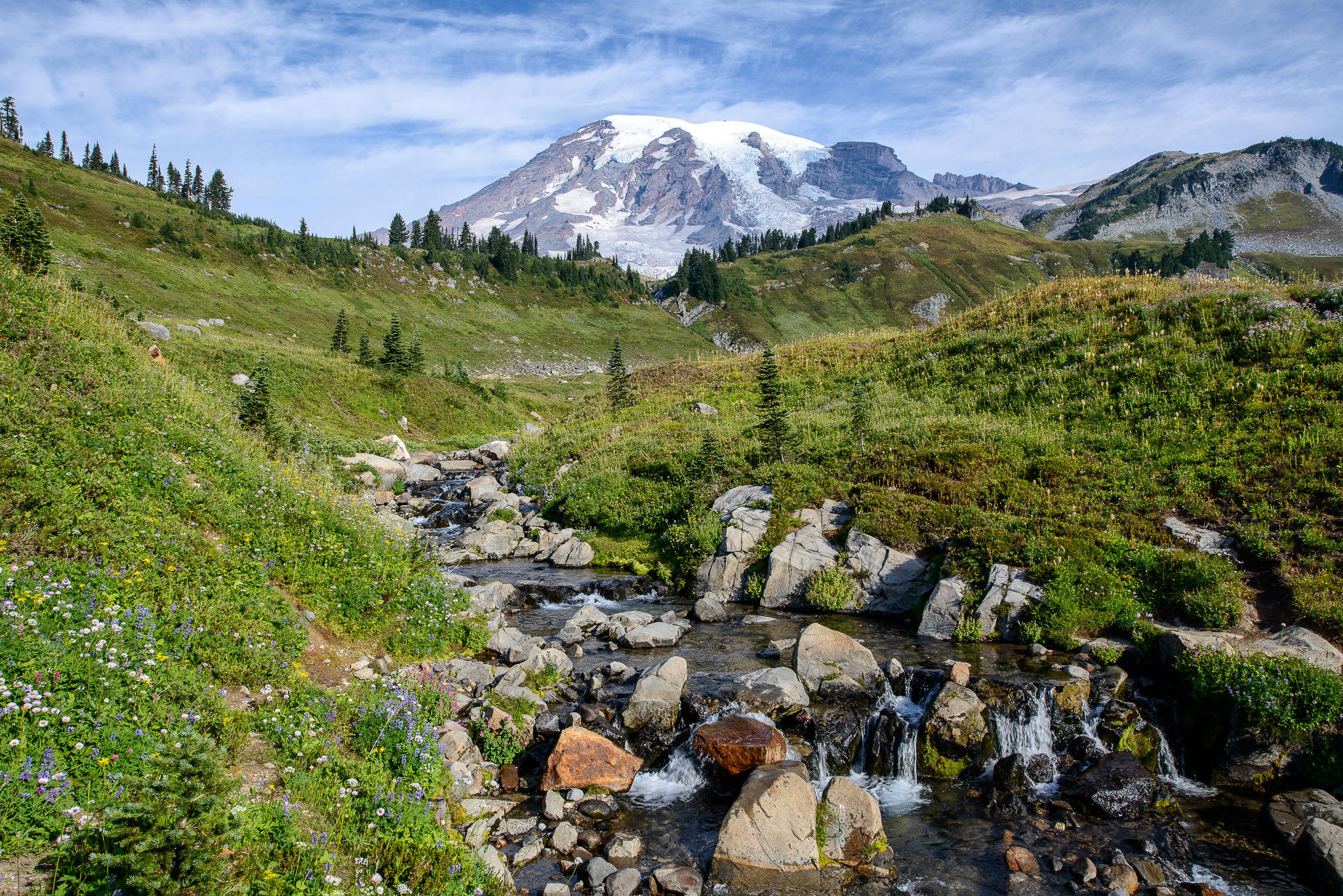
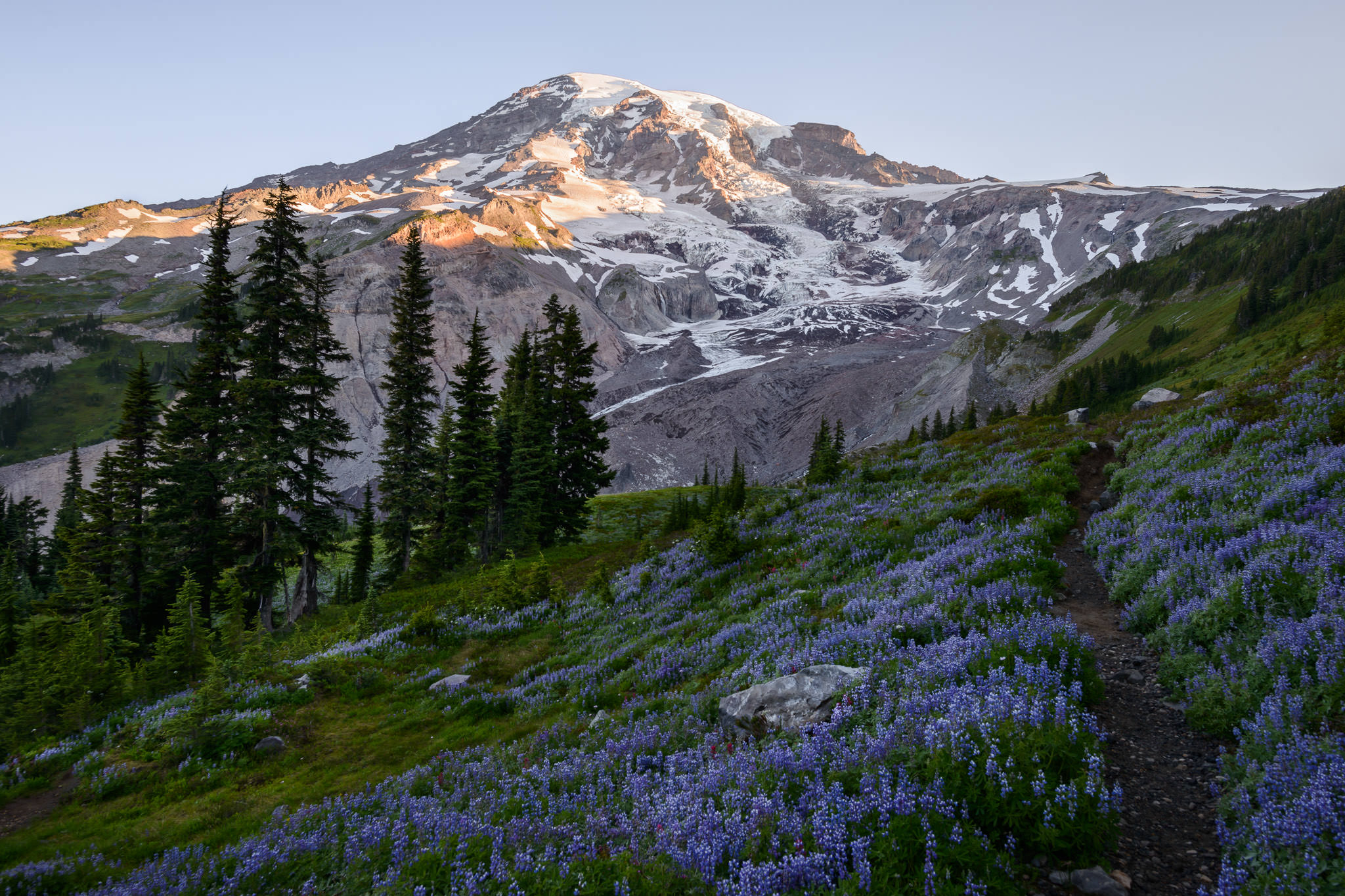
Mt Rainier NP #11

Most of the landscape wallpapers on this website have been shot with this lens. See my detailed Nikon 24-70mm Review for more information on this lens.

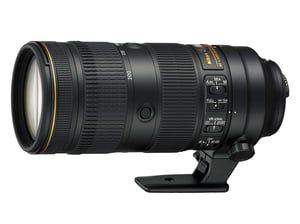
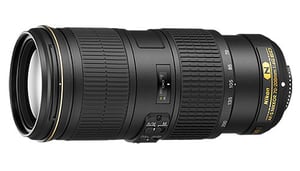
3) Nikon 70-200mm f/2.8G VR II

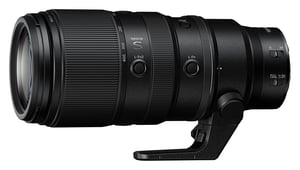
I’m sure you saw this coming – how could I not have the whole “lens trinity” with the Nikon 70-200mm f/2.8G VR II in this article? I was once approached by another photographer, who asked me what lenses I typically take with me when photographing landscapes. When I showed him my lenses and told him that I rarely leave without my 70-200mm, he was rather surprised. He thought that the 70-200mm was too long for landscape photography and asked me why I would even bother taking this bulky and heavy lens. I showed him a couple of pictures from the day before that I shot with the 70-200mm lens and right after he saw my images, he told me that he would buy it as soon as he returned home.

Nikon 70-200mm f/2.8G ED VR II

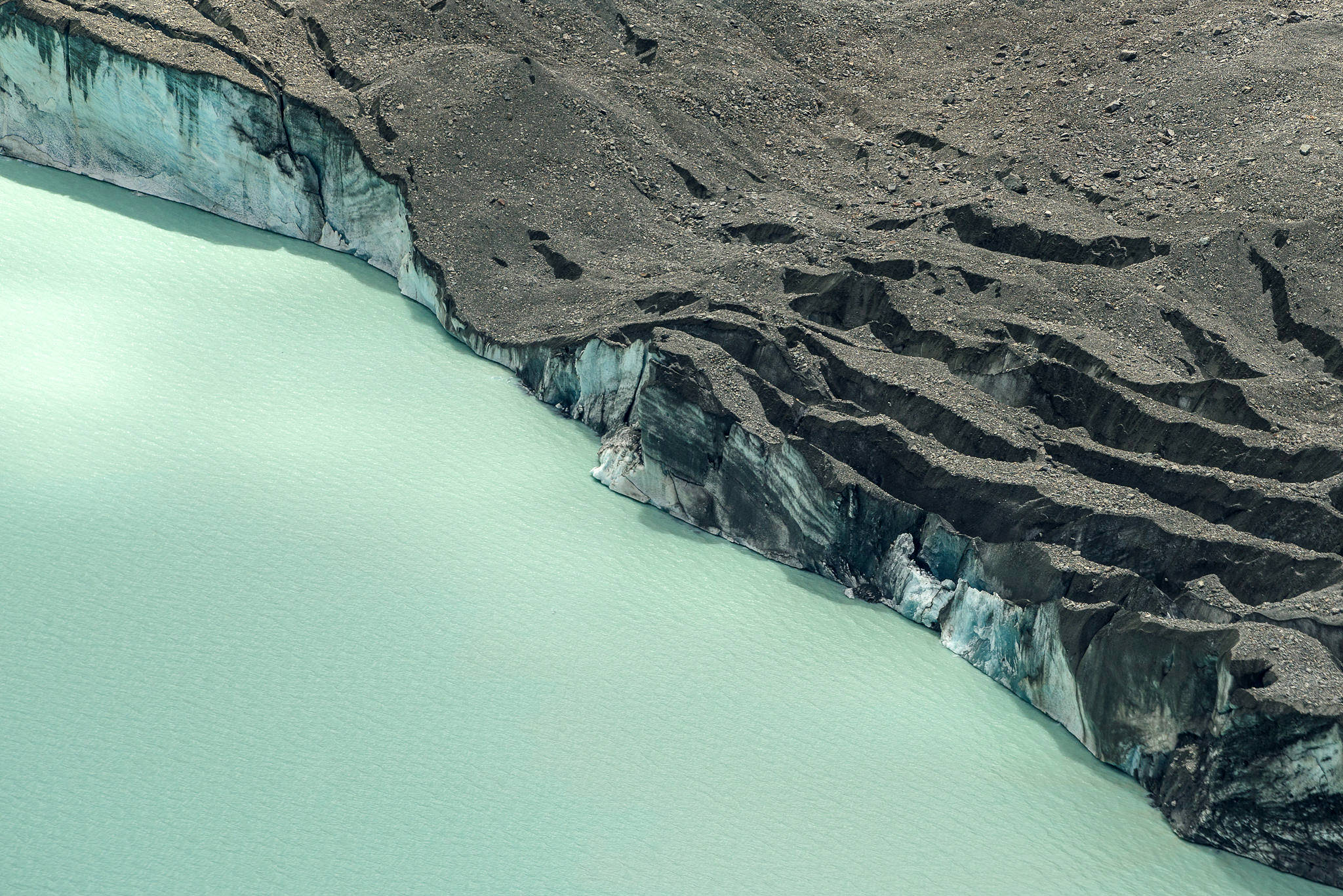
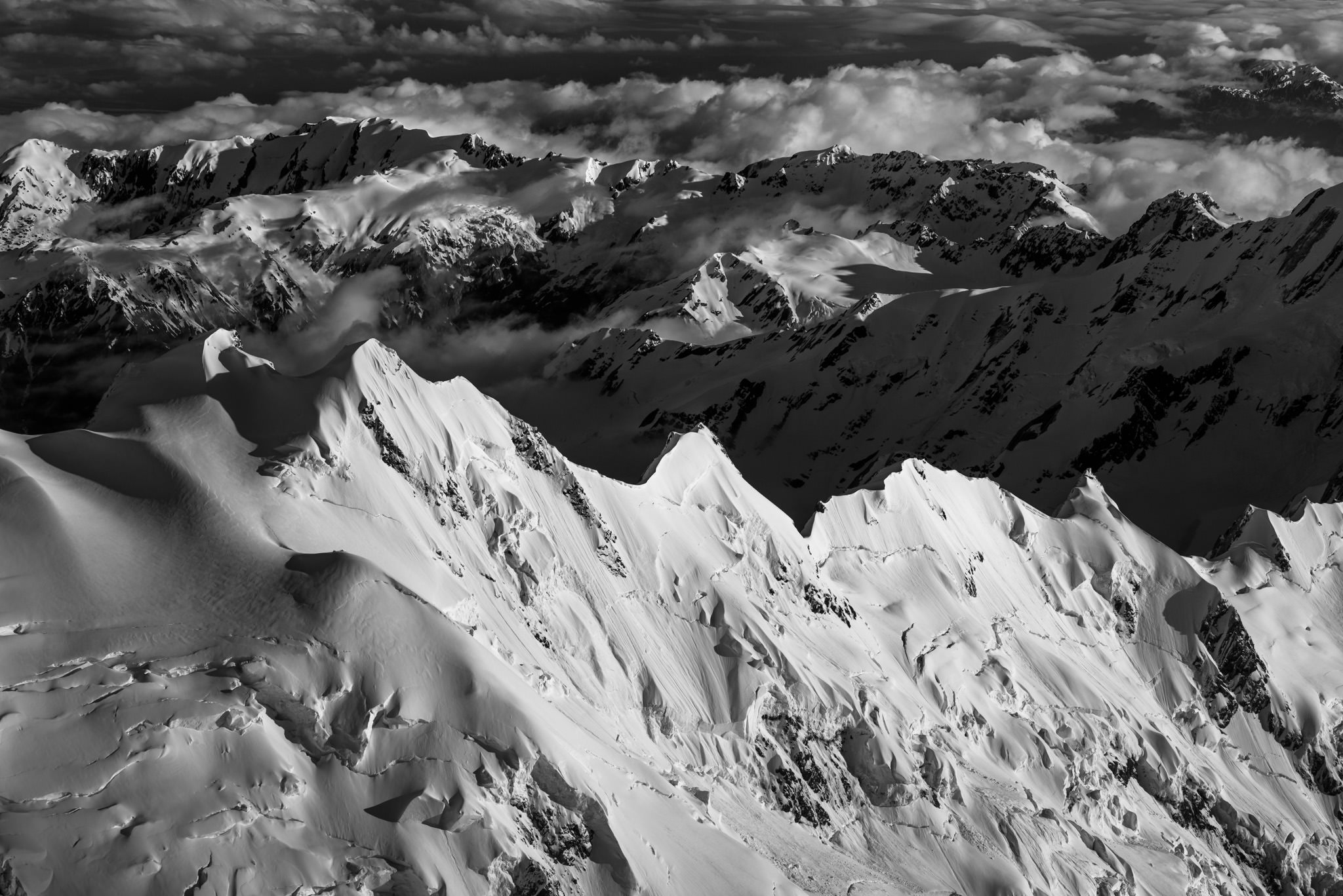
Landscape photography is not always just about capturing wide-angles and endless panoramas. I find myself often discovering interesting subjects that my 24-70mm is not long enough to capture and that’s when I switch to the 70-200mm to get close and tight. The Nikon 70-200mm is not just a portrait lens as you probably have come to known it – its optical performance is phenomenal for pretty much any kind of photography. The only thing you have to be careful about when shooting landscapes, is not to include any foreground elements that are close to you, or you will have a hard time getting everything in focus, unless your goal is to isolate a subject. The lens is ideal for shooting overlooks or other subjects from a distance. Every once in a while, I use the 70-200mm to shoot large panoramas as well. The only downside of this lens is its bulk and weight.

Here are some image samples of landscapes that I have shot with the Nikon 70-200mm lens:

Formations

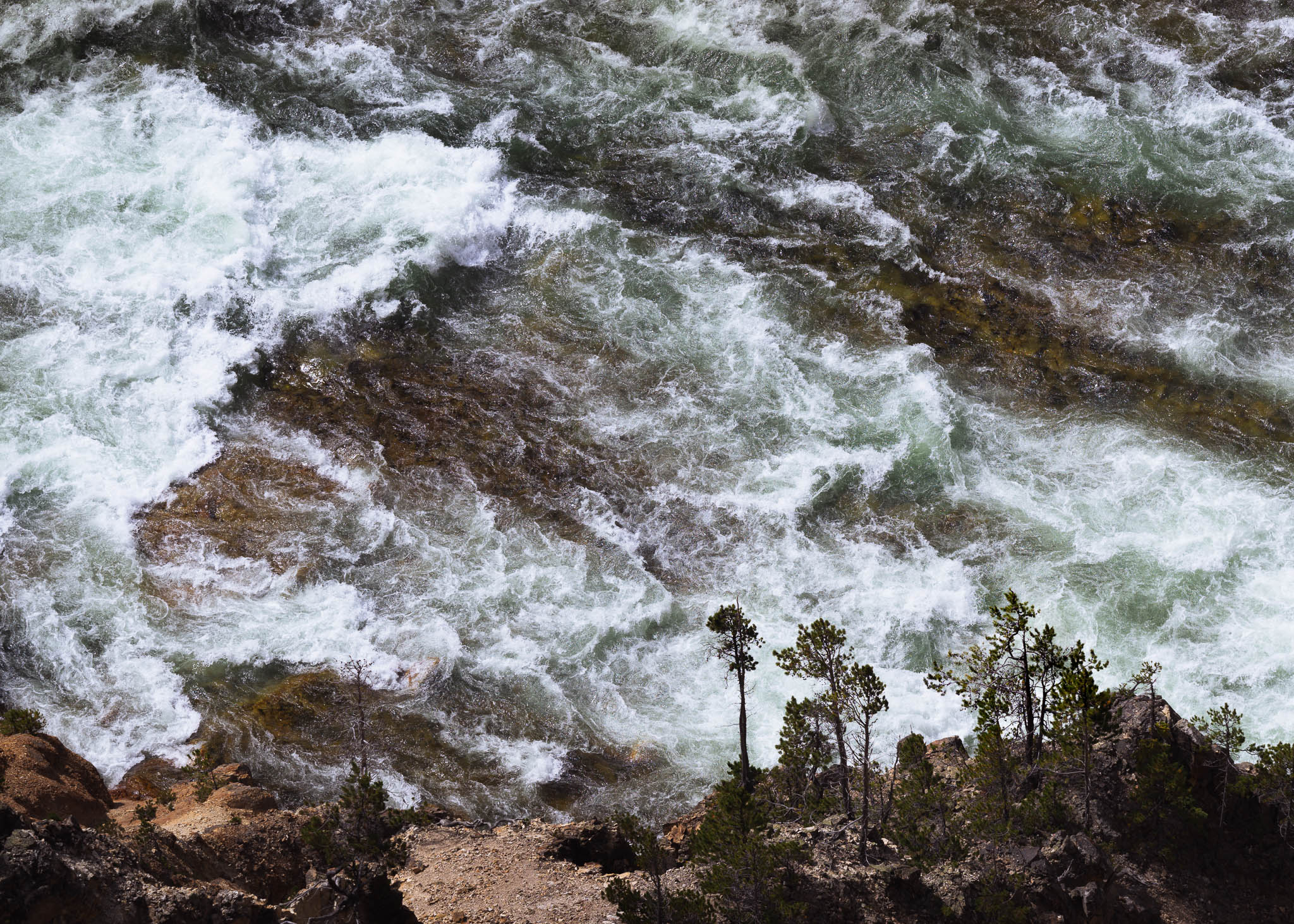
Waterfall

Glacier NP #15

If you have a DX camera, I would skip this lens and rather have a two lens kit comprised of the Nikon 16-35mm f/4 VR and Nikon 24-120mm f/4 VR, which would cover most of your needs. These two lenses are also great for full-frame cameras as a lower-cost alternative to the Nikon “trinity”.

See my detailed Nikon 70-200mm Review for more information on this lens.

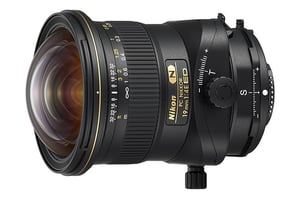
4) Nikon 24mm f/3.5D PC-E

The Nikon 24mm f/3.5D PC-E is a special-purpose wide-angle tilt/shift or “perspective control” lens that is ideal for landscape photography. One of the biggest challenges of landscape photography is to bring everything from the closest foreground element to the farthest object in the background into perfect focus. While stopping down the lens certainly helps, you will often find yourself in situations, where you have to emphasize a foreground object by staying very close to it and yet stopping down the lens will not provide sufficient depth of field to capture everything in focus. In addition, stopping down lenses beyond f/11 on full-frame cameras and beyond f/8 on cropped-sensors cameras reduces image quality due to an optical phenomenon known as diffraction. Hence, it is often not a good idea to stop down too much. One option is to use a focus stacking technique, where you take a series of images focused at different points and then use post-processing software to combine those images. However, focus stacking only works well if your scene is very still and none of the objects are moving, so wind and immediate changes in ambient light could spoil the result.

Nikon 24mm f/3.5D PC-E

By using a tilt/shift lens, you can tilt the focus plane in such a way that you could bring the entire scene in perfect focus even at large aperture values. The lens physically tilts up, down, left and right to give you full control over depth of field. There are several potential issues with using this lens. First, it is a manual focus lens. Second, it is a fixed focal length lens, which means that you will have to move around to compose your shot. Third, it only properly fits pro-level DSLRs like Nikon D700 and Nikon D3s and has limited movement on smaller DSLRs. And finally, it is not an easy lens to use and you will have to learn how to properly use the tilt/shift capability and compute depth of field depending on the tilt position. Once you master this lens, it is hard to find anything else that could beat it. Needless to say, its sharpness, contrast and colors are top notch.

Here are some of my image samples from this gem:

Sample #10

Sample #1

See my detailed Nikon 24mm PC-E Review for more information on this lens.

5) Nikon 24mm f/1.4G

If you are looking for the sharpest lens Nikon has ever produced, check out the Nikon 24mm f/1.4G – it is practically flawless in terms of optical performance. This is one lens that I would not hesitate using on any camera body, even the upcoming high-resolution full-frame Nikon DSLRs, because it is one of those lenses that will out-resolve any sensor out there. Aside from its astounding sharpness, contrast and colors, it has a very wide aperture range from f/1.4 to f/16, giving you the versatility to use it for multiple photography needs – from landscape photography to portraiture (especially low-light situations).
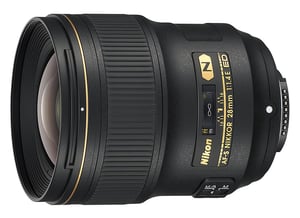
Nikon 24mm f/1.4G

Some photographers initially complained about autofocus issues with this lens, but I believe that they might have gotten some bad samples from the first batch, because I have shot with three different samples by now and I did not have any AF problems whatsoever. Lola and I rely on this lens quite heavily for our photography work. Here are some image samples from this beautiful lens:

San Juan Streets

Ocean View

Beach at Night

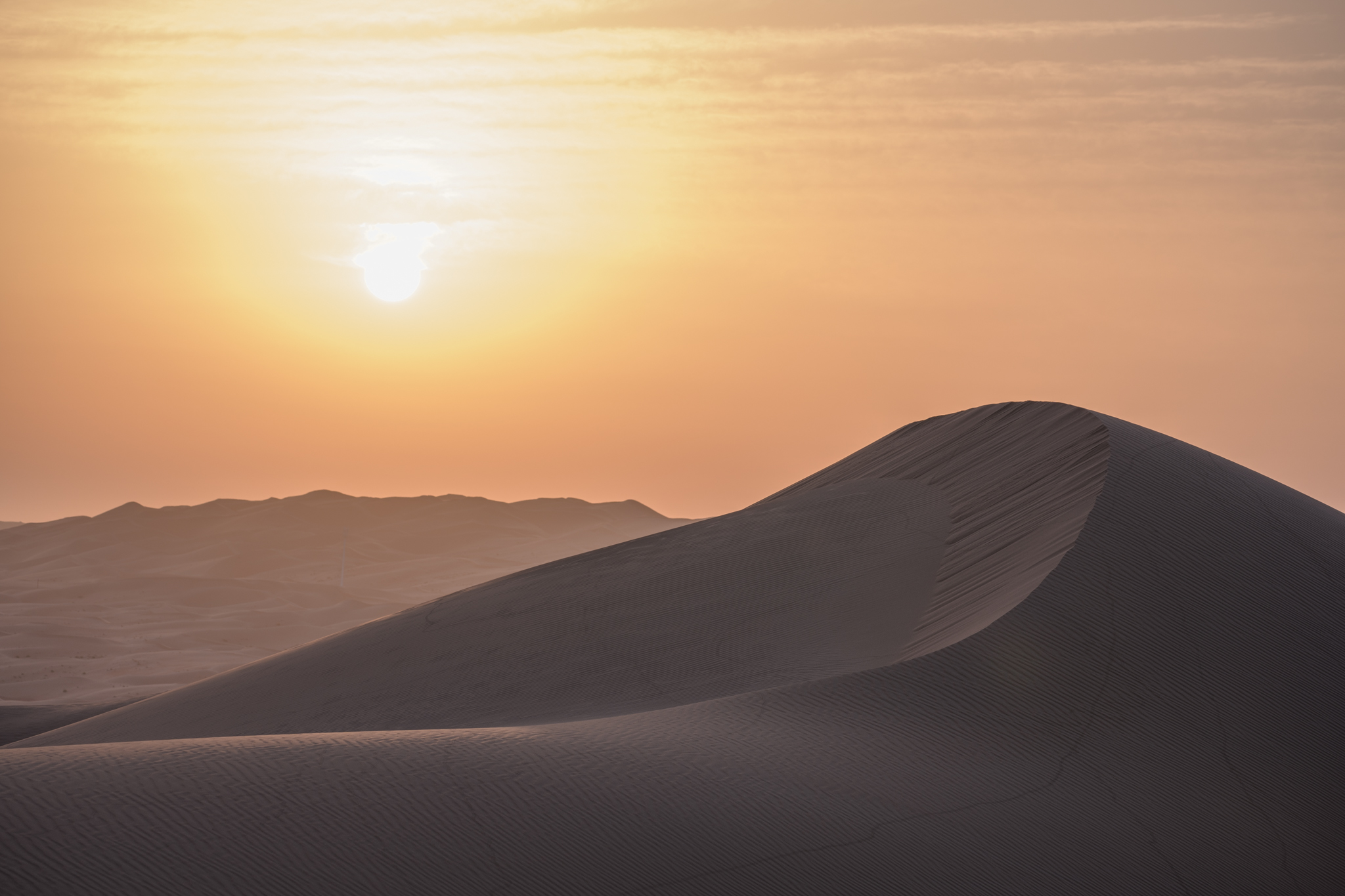
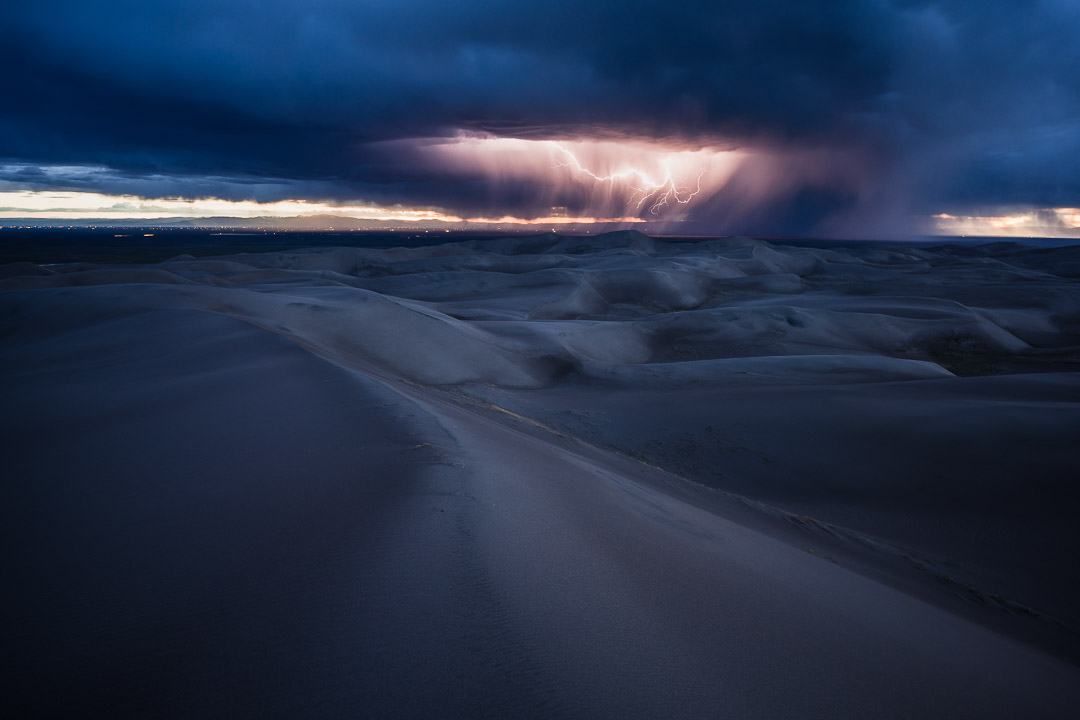
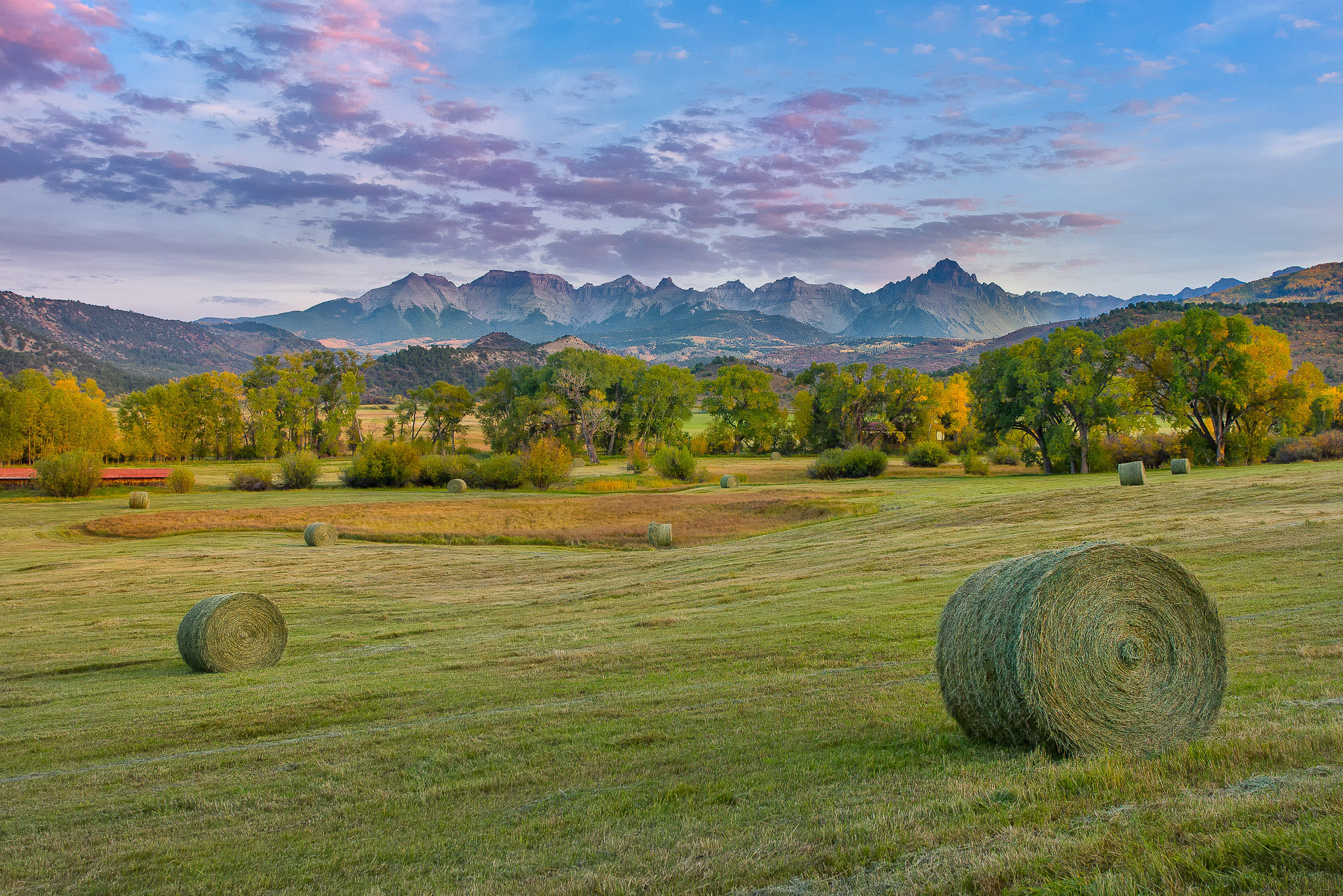
Great Sand Dunes Sunset

See my detailed Nikon 24mm f/1.4G Review for more information on this lens.

Please let me know if you have any questions!


Related posts:

  1. Best Nikon Lenses for Wedding Photography
  2. Testing Nikkor PC-E Lenses
  3. New Nikon Lenses
  4. Nikon D60 and new lenses
  5. Must-Have Filters for Landscape Photography
About Nasim Mansurov

is a professional photographer based out of Denver, Colorado. He is the author and founder of The Mansurovs, along with a number of other online resources. Read more about Nasim here.

Comments

  1. 1
    ) John Jensen

    Hi Nasim.

    I just want to say that I really love your articles – they are always great to read.

    Merry Christmas and greetings from Denmark, Europe.

    John

  2. 2
    ) Doru

    Nice site, i visit weekly.

    I have the Nikon 70-200 VRII and agreed with you, that is a good lens and we Nikon people don’t have many other alternative . But from the wide lensens mentioned by you, only 24mm F1.4 and 16-35mm are viable solution for general use. And if you choose the 24mm F1.4 maybe the need for something wider apear?

    What you will pick for your wide lens on Full Frame? I am just curious.

    • Doru, what do you mean by “only 24mm f/1.4 and 16-35mm are viable solution”? You don’t think the lenses I presented here are viable?

      I would not hesitate to use the 16-35mm as a wide-angle lens on full-frame…

      • 24
        ) Doru

        Thanks for respons !
        What i meant is that the 14-24mm is a amazing lens, but chan’t use filters and for lendscape i thing that is imperative to use them.
        The 24mm F.35 PC is a very special purpose wide lens and for a general use with the manual focus and the size is…hard.
        So in the final word the 24mm 1.4 and 16-35mm are the more viable solutions for a wide lens for general propose.

        Nasim, this is what i like and i am not saying that your recomandation is not good just this is what i thing i will decinde from for general wide lens.

        Have a Hapy Holyday!

  3. 3
    ) Sonia

    I can imagine how much efforts you put for each article. Kudos to you! Appreciate your work.
    Well, this post is much advanced for me as I’m only novice photographer with Nikon D90. I wonder if you can throw some light on some Nikon/Tamron/Sigma lens suggestions for food-photography and general photography as well. It’s just my suggestion. :-)

    • Thank you for your feedback Sonia!

      I will post a separate article on best lenses for food photography later, but for now, I would get the Nikon 50mm f/1.8G – it is a phenomenal lens with great bokeh, which is what you want for food photography.

      • 101
        ) Sonia

        Thank you Nasim. I have only lens Nikon 50mm f/1.8D and it’s great and still have to learn a lot. I’m very novice to all these photography terms and I know it’s long way to go. Would love to read your article in future. Thanks for your support :)

        Merry Christmas and Happy Holidays to you and yours!

  4. 4
    ) Don

    Another masterpiece Nasim. I have the “trinity” as well and feel the same way about the 14-24mm. I simply love the lens. I use it for panoramas as well as some closeup shots. It is soooooooo wide that it allows you to get up close and personal with whatever you are shooting. Thanks for the great site and info.

  5. 5
    ) Cheryl

    You have just answered a question that has been on my mind these past few weeks and I’ve been searching, researching and asking questions with no specific answer, so thank you, Nasim :-)

    I’ll take this opportunity to wish you and yours all the very best of the Festive Season. Stay warm whilst we will be trying to stay cool :-)

    Best wishes from Oz!

  6. Hello.

    I can’t disagree with you, the 2.8 trio is a real golden group of lenses. 14-24, 24-70 and 70-200 may cover every situation in landscape.

    But do we really NEED thoses lenses for landscape ? They’re technically the best, of course, but are the overall the best ?

    Just pick another trio.

    Imagine nikon 18-35 f/3.5-4.5, nikon 24-85 f/28-4 and nikon 70-300 f/4.5-5.6 VR. Should they do the job ?

    Those three lenses are much cheeper. Fully opened, they are not as crisp as the pro lenses. But is it really a matter ? For landscape photography, you usually want a greater depth of field, and you can use those lenses on their best aperture. For example the 24-85 on f/11 is a real match for the 24-70. Seriously, you can’t tell the difference.

    Those lenses have a bit of distorsion. But every serious photographer that uses lightroom or aperture or another soft can correct distorsion. It’s really easy nowadays.

    Vignetting and CA ? They have almost none when not wide open.

    So, for weeding, you need fast lense, with superb performance. For landscape photography, your lens need to be sharp but not necessary wide open. Same thing for the camera. You don’t need super high iso performance : you use a tripod and low iso.

    For example, photographer Robert Mekis uses a cheap canon 18-55 for his landscape photography. And they are gorgeous :

    http://robertmekis.com/?kateg=photos&subkateg=landscape

    Finally, aside from money, weight should be considered.

    A 18-35, a 24-85 and a 70-300 it’s almost 35% less weight. After a long trip round a town or a landscape, it’s a important matter.

    But this is just my opinion.

    Hope it helps.

    • Laurent, again, it all depends on what you shoot and how often you shoot. For occasional landscape photography, I would not hesitate to use the lenses you mentioned. The Nikon 24-120mm f/4 also falls in a much more affordable category and it is a great lens that beats the 24-70mm in some aspects. However, if photography is your bread and butter or you heavily use and abuse your gear, then the pro-quality glass is what you want. Like I have already mentioned, I do not think the Nikon 24-120mm would have survived if I used it the same way I used my 24-70mm. There is a reason why that glass is so heavy and expensive – it has its uses.

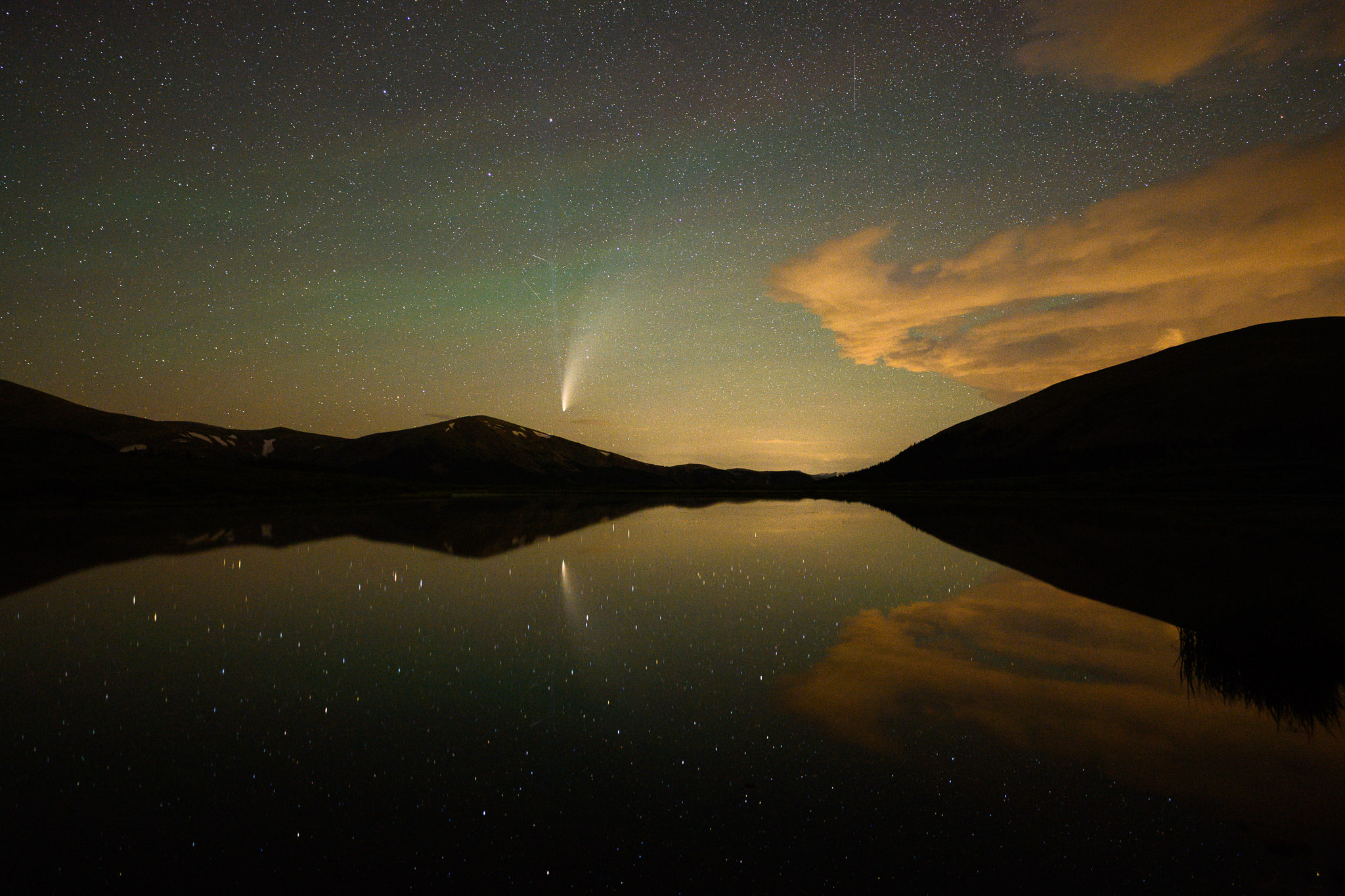
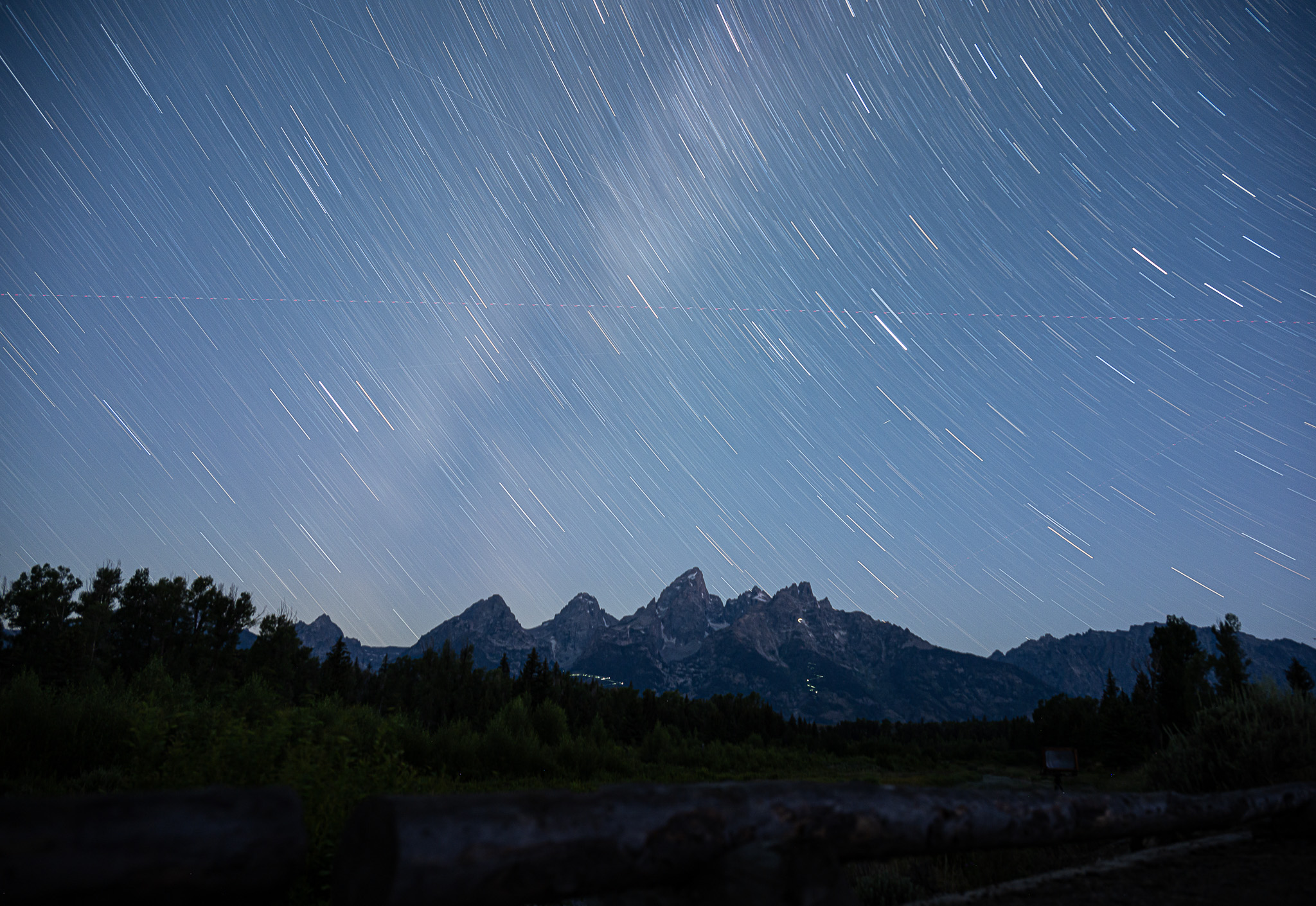
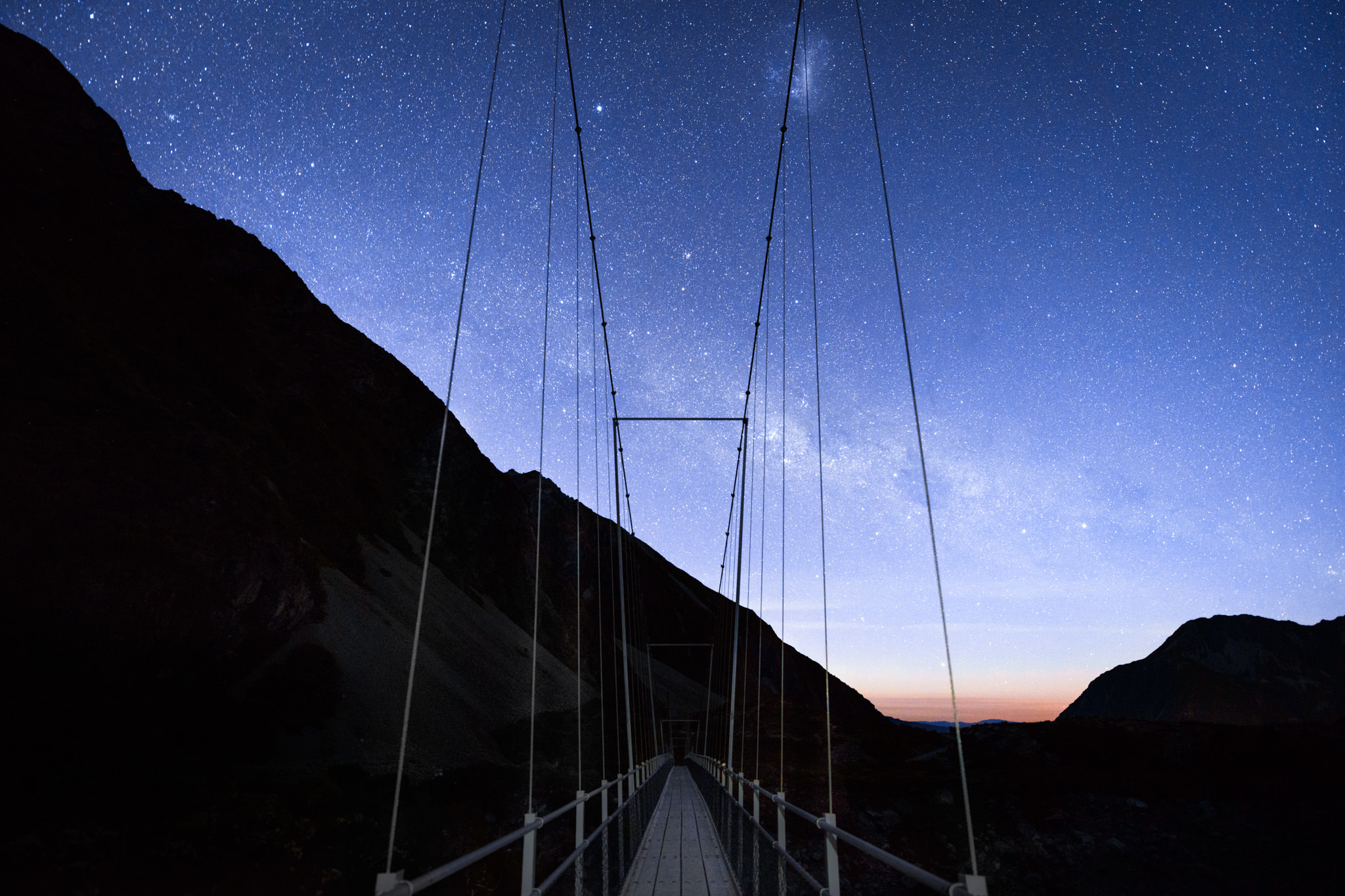
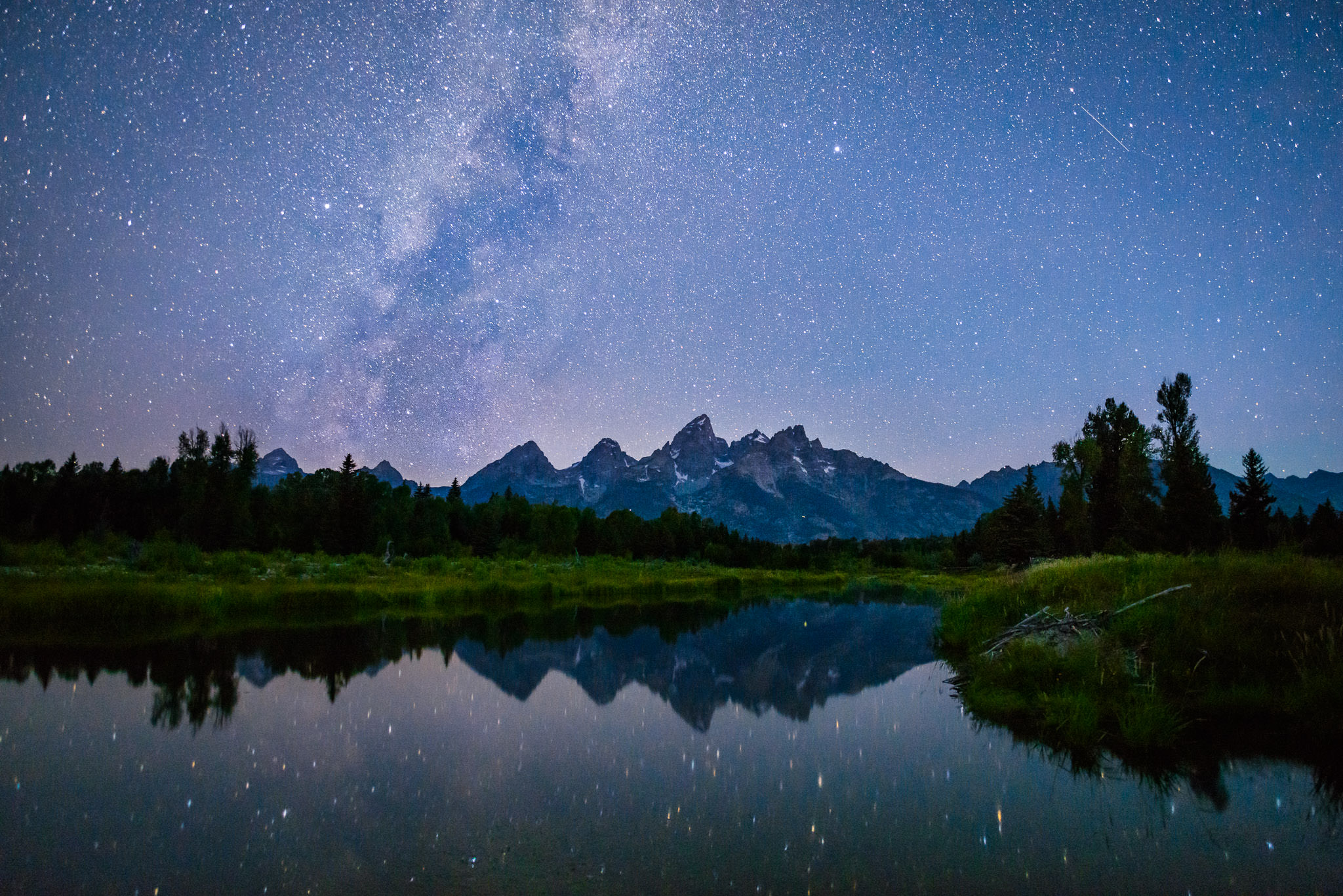
      As for shooting landscapes stopped down, I agree – most of my photographs are taken between f/5.6 and f/11. Many other lenses are very sharp at these apertures and could probably give me similar results. However, there are situations when good wide-open performance is really needed – whether for shooting stars or to increase the shutter speed in windy conditions or to capture an image hand-held. I could show you a number of images such as this one, where I would have not been able to produce a good-quality image, if I did not have the right lens with me. In the example of the above image, had it been shot even a stop smaller, my shutter speed would have doubled in length and the stars would have looked like long lines. There is a huge difference between 30 seconds and 1 minute in astrophotography and that difference is only a stop (f/2.8 vs f/4.0).

      Let’s put it to a different perspective. If you look at modern cameras, most of them are capable of capturing great images. An entry-level DSLR for $500 today costs 10 times less than a pro-level DSLR, but it is definitely not 10 times worse in terms of functionality and image quality. Why do pros buy high-end DSLRs then? Because it gives them the edge. Gives them some extra features that do come in handy, even if those features are not used every day. The same goes with lenses, tripods, accessories, etc.

      So coming back to “what you shoot and how often you shoot”, I want to add another piece to it – what are you doing with the photos you capture? If I only took pictures to post them on the web, then I would be perfectly fine with a compact camera like the Nikon 1 V1. However, if my goal is to print large images and sell them, then I would invest in a good DSLR/medium/large format camera system with the best lenses I can find…

  7. 7
    ) Murray Foote

    I have a different approach.

    I have mainly stayed with primes partly because I do a significant amount of live music photography and primes tend to be often faster, often they have a better T-stop even when the F-stop ratings are the same and often they are sharper wide open. I went to Patagonia, Antarctica & Easter Island with a Nikon D3s + 14-24 + 50mm f1.4 + 85mm f1.4 + 105mm f2 + 180mm f2.8 + 300mm f2.8: http://www.murrayfoote.com .

    I am expecting to go soon to Japan with 14-24 + 85mm f1.4 + 180mm f2.8 + 300mm f2.8 plus a Fujifilm X100 for more casual urban shots. I don’t feel I’m missing out by not having a 24-70mm or a 70-200mm.

    • Murray, I guess different needs call for different lenses :) I occasionally shoot events and weddings with Lola and prime lenses are very useful (especially the ones you are using). For landscape photography, however, I do prefer zooms to primes, because there are situations where you cannot physically move around to get the right angle, composition, etc. Zoom lenses can be very useful in those situations. When I take my 24mm primes with me, I always take the 24-70mm as a backup, especially when hiking.

      • 33
        ) Murray Foote

        I don’t think I’d make much use of a 24-70mm; I tend to favour ultrawide, moderate telephoto or long telephoto. I picked up a 35-70mm to check whether I might use a mid-range zoom and found I didn’t.

        Perhaps I might make good use of a 70-200mm (I used to have a Vivitar Series 1 70-210mm years ago) but I haven’t felt tempted as yet. I don’t feel I miss many shots by not having a telephoto zoom. I find I start to see shots in terms of what lenses I have available and consequently find different compositions. I am no doubt in a small minority in my use of primes but it seems to make sense for me.

        Both 24mm lenses are tempting, perhaps especially the f1.4 for me. I would like to see Nikon produce a 17mm PC lens as Canon does. That might be very tempting.

        Another lens I have that I should possibly use more for landscapes is my old 16mm f3.5 AI fisheye – very sharp, no flare against the sun and much wider than the 14-24mm. With care, you can take shots that aren’t obviously fisheye, even without perspective correction in post-production.

    • Murray, I think I have already told you this before, but your travel photos are amazing. Keep up the great work! :)

  8. 8
    ) Peter

    I have the “old trinity” all f/2.8: 17-35, 35-70, and 70-200.

    However, I must admit that the 24-120 I bought as a result of Nasim’s review is also a great landscape lens. If I ever need more than 24 for a landscape, I just take a 2-shot panorama.

  9. 9
    ) Kevin

    Great review!!!Good job. I am very keen and eager to know which lenses will you recommend for wildlife. Hope you can recommend lenses between peoples with High or Low budget. Like 300 f4 for low budget and 300 f2.8 high budget. ofcos taking account of the weight and performance.

  10. 10
    ) Don

    I have to disagree with you here completely based on your own words: “Those three lenses are much cheeper. Fully opened, they are not as crisp as the pro lenses.” This is the point of Nasim’s article. Pro glass yields pro results. The three lenses you mentioned perform less than the pro glass because they are lesser lenses. It is pretty simple to understand. I have all three “trinity” lenses and would not trade one of them for all three of the lenses you mentioned. I want pro glass on my D3S to yield pro level results. Heavy lenses are part of the trade when you want high quality pro glass. I have a Nikon 28-300mm lens for the times when I am not overly concerned with the image quality but want portability. Do I expect this lens to deliver pro quality? Of course not as it is not a pro level lens. We can agree to disagree.

    • 11
      ) laurent

      Thanks for participating to the debate.

      As you say, pro glass yeld pro result all the time. “expert” grade lens yeld “pro” result for part of their use. Specifically, for example, the 24-85 wich I konw well. On 4 or 5.6, it’s a crap compared to 24-70, I totally agree. But screw the lens to f/8, and it’s as good as the much heavier and expensive 24-70.

      I repeat myself, for landscape pictures, it’s as good. Not speaking of portrait, wedding, macro, beauty shots, etc… But for landscape photography, they’re as good. Who shoots landscape at 2.8 in full frame ? Seriously ? All the picture by Nasim on this page are minima f/8, except for the night shot. The exif are present, you can look.

      Of course, photographers seldom do only landscape. But for those who are limited in budget, it’s a very interesting field.

      I’ve travelled with very heavy material in moutain until I realized that in mountain, cheaper, lighter material could do the job.

      Have a look at mekis site. I know a lot of photographer who could not achieve with expensive gears what he is doing with a canon 300D and a poor 18-55.

      Pro glass are always on top, it’s true. Expert glass are on top only for landscape. This is a limitation. But the article was about landscape photography ?

      • 12
        ) Murray Foote

        “Who shoots landscape at 2.8 in full frame ? Seriously ?”

        I do. Over 10% of the shots on my Antarctic trip were f2.8 or faster. Distant vistas from a ship in low light. Low light on a monopod. Wildlife in low light.

        Lloyd Chambers advocates landscape photography wide open – “Stopping down for maximum detail is hardly the only way to shoot landscapes, even banal at times.”.

        Also, some landscapes have inherently little depth of focus and some lenses such as 14-24 f2.8 and 300mm f2.8 are optimised for use wide open or close to that.

      • 18
        ) Don

        The article as I understand it was about which lenses are best for landscape photography. Nasim laid out a great argument, and I agree with it 100%. The only thing the lenses you offer have as an advantage is price, and maybe some weight, but again, if you buy pro glass, you get the advantages as well as disadvantages. You are willing to accept these disadvantages because of the higher performance that the lenses offer. It comes down to this as far as I am concerned, buy what is right for you. I can afford all of the lenses quite easily as well as the D3S so your argument about price is lost on me. Second, as I want to shoot images at the highest quality possible, I am willing to pay the price to get it. I am not looking for a compromise. This is where we differ. You are willing to accept second best while, I’m not. Nothing wrong with this. We both have different priorities.

      • Laurent, you and Don have different views here. Your argument is that cheaper and lighter versions are as good to pro glass at f/8 and smaller, while Don’s point is that he wants to get the best quality he can get. Since this article is called “Best Nikon lenses for landscape photography”, I have to take sides with Don here – we are talking about THE best tools from Nikon here, not the cheaper alternatives (although, I have provided some info on some cheaper alternatives as well).

        Can low-end lenses create beautiful images? Of course they can. I was impressed by what the Nikon 1 cameras and lenses can do. However, would I use the Nikon 1 to make large prints and sell my work? No, I would not. Every camera and lens has its use. Robert Mekis has some great shots in his portfolio, but you are looking at low-resolution images. I am sure you would see the difference between his shots printed large and the same shots from a higher-end DSLR and lens. I am sure if things go well for him, he will at some point buy a better camera system.

    • Don, see my response to Laurent above :)

      • 28
        ) Don

        Thanks for the reply Nasim. I too have a 24-120mm, f3.5-5.6 (the older one) and it works well. I also have a Sigma 120-400mm, 4.5-5.6. Both are great lenses but in terms of quality, you can see immediately that these are inferior lens when compared to pro level kit. As I do not shoot the Sigma that often, I opted to purchase a 2 x doubler to put on the end of the 70-200mm, f2.8 for those times when I really want to reach out there. For me, IQ is more important than price. When I go out to shoot with the “trinity” I know that it will be a long, heavy day but the payoff is worth it. But again this is MY opinion. I do not mind sacrificing a bit of discomfort knowing that I am bringing the best equipment with me.

        • Agreed, I am the same way. My back hurts, but I know I got the best possible results! :) When you spend thousands of dollars on a trip and put every effort into taking pictures, the last thing you want is come back home and realize that your images are not as good as they should be, because of a particular lens you chose to use. Happened to me a few times before…

  11. 32
    ) ken

    All are Nikon most expensive lens, so it is always true. Simple, everyone can create this list.

  12. 34
    ) James

    Hi Nasim,

    I own the Nikon D300s and have the following Nikon lenses; Nikon prime 50mm, Nikon 70-300mm VR, Nikon 16-85mm VR.
    I looked at the price of Nikon’s wide angle lens, it was too expensive for me. I did a lot of reseach and chose Tokina 11-16mm. It’s a fantastic lens, and I am able to use my 77mm circular polarizing filter.

    Test results by an independant lens review site showed that the Tokina out performed opticaly the Nikon lens. The Nikon lens was also “twice” the price of the Tokina.

    I enjoy your web site, and look forward to the next posting.

    Merry Christmas from the UK
    James

  13. 35
    ) Roman

    Hello again, Nasim.

    I wonder if you plan on reviewing the 80-200 f2.8 AF-D/AF-S lenses. I’ve heard they are very good optically, -only lacking stabilization. I rarely need something this long and thus can’t justify the 70-200 VR II, but those seem like nice alternatives for a lot less money.

    It would be nice to compare the performance, although I’m sure they are both great and it’s more of a curiosity than a necessity.

    Would appreciate it, though :)

    Hope you’re doing great,
    R.

    • Roman, one day :) With all new cameras and lenses coming out, I am having a hard time keeping up with all the reviews…

      It is a great lens, almost as good as the original 70-200mm VR. But the 70-200mm VR II is definitely much better in terms of optics, especially towards the corners.

      • 91
        ) Roman

        Well, *most* of the time, optics are not a top priority for me – I need them to be good enough, that’s all. For a lens I won’t use all that often, I think the older 80-200 would be great, although I’d prefer the AF-S, which is, unfortunately, more expensive.

        My top priority is always aesthetical quality over the technical. That’s why my favorite peace of gear, at least until I bought that Yashica MAT TLR or a Mamiya C-series TLR, is my Kiev 4 :)

  14. 36
    ) peachy

    hi!
    i’m new to your website and i’m neophyte also in photography. I just bought my first dslr that’s why i what to learn more about photography. Right now, i have the kit lens 18-55mm but i dont understand what the F number stands for… i hope you can lighten me up on this part or if you can share a link or an article or website where i can fully understand or learn about this things and photography in a lay-man’s term :-)
    i find your posts informative but too advance for me for now because i’m just starting to learn ….i hope you can help me. Thanks and advance Merry Christmas

    • 39
      ) Murray Foote

      The f-number is the aperture – how large the “hole” is inside the lens that lets light through. The smaller the f-number the more light it lets through and the “faster” the lens because you can use it in lower light situations. Your exposure for an image is determined by the aperture, the shutter speed and the ISO (or how sensitive to light you set the sensor as being).

      f-numbers show on the lens as specific numbers such as f2, f2.8, f4, f5.6, f8, f11, f16. In each of the numbers shown, going up or down one notch in the series represents a doubling or a halving of light respectively. This is also known as going up or down a “stop”.

      With the lower f-numbers (or larger apertures) you have less “depth of field” in your image so that only a narrow band may be in focus. With a lower f-number (or smaller aperture) you havd more depth of field.

      Most lenses are not quite as sharp wide open (the smallest f-number) and often are sharpest two “stops” down. If you close a lens down too far, you lose sharpness from “diffraction” (light bouncing around inside the lens).

      • 40
        ) Murray Foote

        “With a lower f-number (or smaller aperture) you havd more depth of field.”

        Sorry, that should have said “With a LARGER f-number (or smaller aperture) you have more depth of field.”

        • 42
          ) peachy

          thanks! but im wondering more on the lenses example this “80-200 f2.8 AF-D/AF-S lenses”. what does the f2.8 mean, the only F of that lens ?

          • 43
            ) Murray Foote

            It’s the maximum aperture. The aperture choices for that lens will range from f2.8 down to about f16. That’s a fast lens for a zoom though primes can be faster.

    • Peachy, have you seen my “photography tips for beginners” page? I would start from the top of the page and read each article one by one – you will find most answers to your questions in those articles :)

  15. 37
    ) Jorge Balarin

    Dear Nasim, talking about the 14-24 mm f/2.8 you said: “If ability to use filters is a must, the only other full-frame lens from Nikon I would consider would be the Nikon 16-35mm f/4 VR lens”, but then you didn’t include this lens last lens in your list. Wich lens do you prefer for landscape the 24- 70 mm or the 16-35 f/4 ? Greetings, Jorge.

  16. 38
    ) Peter

    Nasim, I appreciate your above responses to all these comments; they are, above all, pragmatic and realistic.

    I have “Pro” and “Non-Pro” Nikkor lenses, and, if used properly, I can’t tell the difference between them. I’ve done side-by-side comparisons in Photoshop, enlarging the photos from a zoom v. prime, etc. and I can’t tell the difference. Much ado about nothing.

    Now, maybe in my advanced stage of life, I’ve lost some visual acuity, but I don’t think so. After 50+ years of buying Nikkor lenses, I have never found a bad one nor have I ever returned one. Call me lucky, but I think all this nit-picking about lens issues is…well, I think you know what I was going to say.

    Poor Ansel Adams, deprived of all these great modern lenses. How did he survive?

    • Peter, as I have said before, the difference between a pro and a non-pro lens is marginal. When shot at small apertures, most lenses perform very well. Where the “pro” lenses shine, is in their ability to do specific things like better low-light capability, better build quality, sharper extreme corners, better colors and contrast at large apertures, etc – that’s what you pay the premium price for.

      Ansel Adams used the best tools available for his time. He was the worst gear-head you could ever find :) Had he been alive today, you would be seeing him with a $50K Hasselblad + a boatload of the best lenses. Oh and he would be post-processing the hell out of his images in Photoshop :)

  17. 41
    ) Kenny Chew

    Hi Nasim, Thank you for the sharing.

    I would like to ask is Nikkor AF-S 24-120mm f/4G VRII good for landscaping too?
    Just curious about it.

  18. 45
    ) Brian

    A little surprised you didn’t make the 16-35mm a prime candidate, but only an an alternative to the 14-24mm!

    • 47
      ) Don

      Maybe it is because the 16-35mm is limited to only f4 while the 14-24mm stops down to 2.8. For most people the f4 might be enough, but I have used my 14-24mm on f2.8 often at night. While you miss a bit with the 14-24mm by way of the lack of filters, those extra stops are worth it in my book, but again to each his or her own. You have to go with what works for you.

      • 48
        ) Brian

        In landscapes I think people would enjoy the use of filters much more than the ability to go f2.8.

        In fact, the VR makes a very good substitute for the faster apertures. At 16mm you can get usable shots with just 1/8 of a second.

        • 51
          ) Don

          At 14-24mm, or even 24-70mm (f2.8) I see very little need for VR. I think at these focal lengths VR is not really a requirement. Nasim can you weigh in here?

          • 56
            ) Brian

            For landscape photography, filters, tripods are very common. You can’t “photoshop” the effects of a polarizing filter for example.

            Most landscape photography needs depth of field to get things in focus. And most landscape shots there’s enough light to stop down.

            Another big advantage to the 16-35mm is the price.

            You can never discount VR. The ability to shoot at shutter speeds of 1/8 a second handheld is a very nice option. It’s a great substitute for abilities of having f2.8, with the exception of stopping motion blur.

            I’ve been following this website since the beginning and this is probably the first time I disagree with Nasim at putting the 14-24mm in the spotlight in place of the 16-35mm with reference to LANDSCAPE photography.

            To me, the 14-24mm is more suited for wide angle low-light photography.

            Things like concerts, Interior Shots and architecture, photojournalism.

            • 63
              ) Murray Foote

              I can’t agree with most of this.

              What filters do you want to put on a 14-24mm anyway? I used to use filters extensively with film but I’ve gone right away from that with digital, including UV filters. The only filters I use these days are polarising filters and in most circumstances you can’t use them on a lens such as the 14-24mm. Graduated ND filters I don’t favour because I believe the gradation boundary is too crude for many compositions and you can do it better with Lightroom/Photoshop adjustments or intelligent HDR. ND filters to simulate long exposures perhaps have a limited place but I haven’t been able to persuade myself to get one, I’d rather do the real thing after dark.

              Price is largely irrelevant here because we are talking about the best lenses, not the best value.

              One thing that’s missing here in most comments is recognition of what the criterion is for image quality. If it were just to view images on the web, that wouldn’t require very much. I think it has to be for images that can potentially print large, A2 or larger, with impressive image quality. In terms of sharpness, there’s a difference between adequate sharpness and optimal sharpness. Apart from post-processing technique, this often requires a very good tripod and mirror lockup, perhaps even live view, and even for the 14-24. After all, the best light is often the lowest light.

              So, where is the boundary between accurate tripod technique and hand holding so that there is zero loss of sharpness? There’s no simple answer for that because technique for both is highly variable with the individual. The only way to really find out is to do exhaustive testing with a resolution target. I suggest that a lot of people underestimate what is truly sharp when they make shortcuts in technique.

              I’ve got both a 17-35 and a 14-24. Like Allan Wood, I don’t feel compelled to upgrade the 17-35 to a 16-35. I got the 14-24 specifically for landscapes and I still think of it in those terms. True, I also would prefer it for interior shots and architecture. However, I predominately use the 17-35 for live music because I find the focal range more appropriate and the lens is much more compact. I would never use the 14-24 for photojournalism because it is far too large and obtrusive; I don’t tend to use the 17-35 either, my preferred weapon of choice is a Fujifilm X100.

              There’s a simple reason why the 14-24 should be the pre-eminent choice for landscape photography rather than the 16-35 and that’s image quality. The 16-35 is a very good lens while the 14-24 is an outstanding lens. It’s generally acknowledged to be the best wide angle lens produced by any manufacturer. It’s the one Nikon lens that some Canon users use (on manual) with a converter. Those extra 2mm at the wide end are a significant advantage for landscape photography, too.

            • Brian,

              The 16-35mm VR is a great value, I have to agree with you on that. However, the 16-35mm is just not on par with the 14-24mm in terms of optical quality (in addition to distortion and heavy vignetting). Heck, even most primes stopped down cannot beat the 14-24mm lens wide open! The 14-24mm comes with its problems though, which is why I have a love and hate relationship with it. It would have been perfect if it had a filter thread + VR and cost less than $2500 :) But we don’t have that option today and those that use filters either choose the 16-35mm or the 17-35mm. That’s why I stated that if filter use is important, the 16-35mm is a better choice. Don’t get me wrong, I love the 16-35mm lens – that’s why I mentioned it right under the 14-24mm lens as an alternative.

          • Don, sorry, but I have to disagree. VR is always useful, even for wide-angle lenses. You should try out the 16-35mm on FX with VR on to see what I mean. Shooting at 1-2 seconds hand-held is amazing. Unfortunately, Nikon and Canon have been playing this game of not giving us VR on the best lenses. We get VR on crappy kit lenses and not on the pro lenses that truly need it. The Nikon 24-70mm, for example, would hugely benefit from VR. All prime lenses above 24mm also badly need VR…

            • 77
              ) Don

              Hi Nasim,

              Thanks for the info. I mean this honestly when I say that this is why I come to your site. The info is concise, helpful, and without the sometimes emotional baggage the KR’s site can sometimes have. I do like his site as well. I guess the fact that Nikon did not include VR on the 24-70mm convinced me that it does not need it. :)

          • Don, I really appreciate the feedback! :)

            I love Nikon, but I don’t like the dirty games it plays with Canon and other manufacturers out there. Some people say that the 24-70mm does not need VR because: a) the focal length is short enough on FX that it doesn’t need it, b) it would add to the cost of the lens and c) it would make the lens bigger and heavier. I disagree with all three arguments, because VR is very useful on anything above 24mm (and in the case of the 16-35mm, it is even useful at 16mm), VR is not a huge cost to add ($200 kit lenses have it) and it certainly won’t make the lens marginally larger/heavier.

            Clearly, the only two reasons why Nikon is not doing it, is because the competition is not doing it and they want people to want to upgrade their existing 24-70mm lenses when a VR version comes out (and I believe it will, within the next couple of years)…

            This is a marketing game!

            • 88
              ) Don

              Nikon. The Apple of the camera world. :)

              I did things backwards in my road to photography. I started out with a D80, jumped to a D300, then a few months later went to the D300S, and a few months later jumped to the D3S and the “trinity” lens group. I did all of this in the space of just over a year. So in many ways, I am playing catchup to most here but I am diligent and try to be a good student. I shoot, shoot, shoot, and shoot again to try and hone my technique and skill level. I’ve taken 7 or 8 online camera courses as I travel often so sitting in a static class would not work. I look for sites like yours as well as a few others to get the info I need to help me make informed decisions. I remember the big 28-300mm discussion thread of a few months ago. Outstanding. I recommended it to quite a few KR friends who were looking for a different prospective. Some turned away from it while others gave it a try and are happy.

      • 49
        ) Brian

        Not to mention for landscapes most people have a tripod.

        • 50
          ) Don

          Maybe, but I like moving around rather than being fixed to a tripod. Because of the incredible low light capabilities of the D3S, I rarely use a tripod. I usually bump the ISO a bit and shoot a way. I do use a polarizing and a few ND filters that attach to my 24-70mm, and 70-200mm. Other than that, I can adjust things in Aperture or Photoshop Elements. It was a tossup when I purchased the 14-24mm. I was trying to decide how I shoot, as well as the characteristics of the camera that I use. For me, the the combo that I use suits my style perfectly. As Nasim said, if you need filters and rely on them, the 14-24mm is not the lens for you.

        • Brian, it depends on what you shoot and your style of photography as well. I often find myself leaving the tripod in the car when travelling, unless I have a specific spot that I need to hit where I can sit and relax and use a tripod. Surprisingly, most of my shooting is done hand-held (even panoramas), because it is much faster that way. I am not saying that what I do is correct or good – I have a few friends that can’t even compose a shot without using a tripod. Who knows, maybe I will change in the future. That D3s has definitely spoiled me! :)

          • 79
            ) Don

            Spot on Nasim. The D3S simply makes a tripod irrelevant in “some” (want to put a disclaimer here so I don’t get flamed) cases. I like the fact that I can push the ISO a bit and get the same shot that I would have to use a tripod for.

            • Don, I am getting emails from friends, asking whether they should be selling their D3s cameras, since the D4 is coming out in January! Darn, it will be hard to resist more MP and 1+ stops of difference…

          • 86
            ) Don

            Did you say: JANUARY !!!!!!!!!!???????

            I am all set. Too bad I did not know this sooner as I could have given my D3S to my daughter but I think it might be a bit to heavy for her and she is only 16, but has decided that she wants to be a pro photog. She will survive with the D700 I guess. I thought the D4 was coming out in time for the Olympics. Either way, I will be getting one for sure. I have a few good friends in Kuwait and Iran asking me about my D3S so I am sure it will find a happy home. :) Happy holidays to you and yours Nasim.

    • Brian, I was referring to the “best” Nikon lenses, which is why 16-35mm is an alternative :)

  19. 46
    ) Joseph

    Nasim –

    Your website single-handedly rekindled my interest in photography, which had been really waning over the past few months. Thank you so much for your advice and insight!

    -Joseph

  20. Nasim,
    I wonder why you did not mention the Nikon 17-35mm1:2.8D (77 mm filter) which I use a lot on my D700. The lens is bulky and heavy but being a ‘pro level’ tool is built like a tank. I think it is a fabulous lens, focuses fast, with very few issues (such as slight vignette at 17 mm) and it suits me very well. I am glad I bought it. I also use an old 70-120 mm 1:4-5.6D (not ‘pro level’) and have yet to replace that as I cannot afford to. So, I am quite well covered with these lenses, except for my desire to consolidate to a single filter size (77mm). Thanks for your reviews.

    • 55
      ) Peter

      I got the 17-35 eight years ago when i retired. It is a beauty.

      • 57
        ) Brian

        The only downside is that the cheaper, lighter, newer 16-35mm f4 VR performs better.

        • 58
          ) Don

          Brian,

          You have piqued my curiosity. Now I have to go and try out a 16-35mm. I can give my 14-24mm to my daughter. She has been sniffing around for it anyway to use. So considering I just bought her a D700, I might as well get her an FX lens as well. :)

        • 59
          ) Peter

          Offer your proof that it performs better than the 17-35. How much better? 2%, 10% , 20%?Have you done a side-by-by-side comparison? Real world stuff, not brick walls.

          The 17-35 is a 2.8 lens and reviewed as one on the sharpest lenses Nikon has ever made.

          • 60
            ) Brian
            • 62
              ) Peter

              From another reviewer:

              The 17-35mm f/2.8 AF-S is Nikon’s basic wide-angle professional zoom for film and FX Digital. Almost every pro has one of these on one body, and a 70-200mm VR on his other body. It is one of the two or three lenses everyone with a D700, D3 or F6 should own.

              This 17-35mm is sharp at all apertures, has great ghost resistance, less falloff than fixed lenses, only moderate distortion, is built like a tank and weighs about as much, too. It’s made of solid metal, not the toy-store painted plastic. The only gotcha is that if you are dumb enough to shoot at f/2.8 in daylight at 17mm and then look in the farthest corners with a microscope, it’s soft. Pros don’t do that, but online experts might.

            • 94
              ) Don

              Ding, ding, ding !!!!!!

              We have a winner Peter…. :)

          • Peter, the center sharpness of the 17-35mm is very impressive, but it is rather weak in the corners, especially at 17mm. As I have already stated above, I find the 17-35mm to be a hit and miss. Some samples are great, others are very bad with heavy front/back focus issues out there. I was rather frustrated with the 17-35mm lens because of all the focus issues. Try out the 16-35mm and see how you like it in comparison…

            I have a few friends here in Denver that ended up selling their 14-24mm and 17-35mm lenses in favor of the 16-35mm (those who sold their 14-24mm lenses did it because they wanted to use filters). Yes, it is that good and I am not just talking about lab tests with charts and bricks…

          • Peter, Ken Rockwell’s review that you are referring to was written before the 16-35mm lens came out :) See his 16-35mm review, where he says “Compared to the hard-to-get professional 17-35mm f/2.8, this 16-35mm VR is $500 less expensive and otherwise similar in size and weight. This 16-35mm VR is however a little lighter, a little longer, and it’s sharper if you’re picky. This 16-35mm f/4 VR just became my top recommendation for an FX ultrawide zoom. Bravo, Nikon!”

            So, seems like Ken had a similar experience as me with the 16-35mm. Again, if you have a chance, give 16-35mm a try! I don’t think I would trade the 17-35mm for the 16-35mm (if I already owned it), but for a person who is considering a wide-angle lens with filters, the 16-35mm is a great choice now, especially with its lower price and VR…

            • 93
              ) Peter

              Yes, I already own it and it cost me $0.00. Now, you have to admit, that is one hell of a value!

              And I agree, I’m keeping it; I guess I have a good copy.

              I’m getting too old to look for the mythical perfect lens…that can be a very expensive trip for every year a new and “better” lens comes out. But, if I didn’t have the 17-35, I probably would buy the 16-35.

              One question, however: Why does the 17-35 sell for $1955 and the 16-35 for $1260 (Nikon site)? That is quite a big price differential. What’s the extra $700 for in order to own a 17-35?
              Quality? Build? Glass? Greed?

    • Allan, the 17-35mm is a great lens, if you can find a good copy :) Seriously, I have tried three different 17-35mm copies and only one seemed to not have any focus issues. When I put it against the 16-35mm, the latter was sharper in the corners. Stopped down to f/8, both lenses are very sharp, but the 16-35mm is clearly better in the corners at larger apertures, as I have shown in my 16-35mm review. I just find the 16-35mm to be better overall for my style of shooting; plus, it has VR! For photographing people and events, the 17-35mm might be a better option – people seem to love it for its “natural” vignetting when shooting at f/2.8.

  21. I am impressed by the 16-35 f4 vr. However, regardless of the 16-35 f4 vr, I am not going out to replace the 17-35 1:2.8D. As long as a photog knows the limitations on a lens, then simply work within those ‘bounds’. Since I work with long exposures a lot, no vr is going to help. So, I use a tripod a lot and if I do not go down to 17 mm and inspect the edges and corners, I get what I need without any issues. The 17-35 saves me a lot of post processing outside of any ‘creative’ stuff I may desire. The 17-35 is designed for 35mm/full frame, so putting it on a crop sensor I think is a bit of a waste.

    • Allan, why replace a lens if you are happy with it? :) I agree, if you know the limitations and know how to work around them, why get something new that you will have to learn and adapt to?

      Lenses are just our tools, it is all about the photographer!

  22. 89
    ) Don

    On this same note, I read over on KR’s site that he feels no pro photog would ever use a medium focus lens, i.e. 24-70mm. He said most carry the wide 14-24mm, and big zooms, starting at 70-200mm. He said in the middle most pros carry a 50mm, f1.4 and either walk up or move back. What do you think about this?

    • 90
      ) Brian

      It’s just his opinion.

      • 92
        ) Don

        Well, yeah. Everyone knows that KR can be a bit difficult when it comes to his “opinion”. I was wondering what Nasim might say regarding this. Personally, I think KR is wrong. I have the 50mm but there are times when I haven’t been able to hone my walking on water skills to the level that I need so I’ve had to rely on the zoom feature of my 24-70mm.

    • 110
      ) Jorge

      I have two 50mm (f/1.4 AF-D and f/1.8 G) and I don’t have the 24-70mm, but I’m going to buy it, because in some situations I really need it . Par example, yesterday night I was sitting down with a 50mm, on a regular size familiar table during our christmas diner, and it was very hard to do photos. I was forced to invade the space of the people that was sitting down beside me, and even so I couldn’t do it as I wanted. It was really a frustrating experience. I would have not problems with a 55mm if the table would be very small, but it was not the case.
      Many times it is not possible to move, or that results annoying, it is for that reason – and not to beat the optic quality of primes, that zooms were developed. So I thing that it is not always true that you don’t need a middle zoom.

    • Don, EVERY pro I know personally that shoots Nikon has a 24-70mm :) Some of them are world-known photographers!

      • 120
        ) Don

        Hi Nasim,

        Agreed. The 24-70mm is always on my camera. I have a 24-120mm, and the much discussed 28-300mm, but the 24-70mm is my pride and joy (my girls of course are number one in case they are reading this), :) and I get the results that I want. Maybe KR was having a KR day and needed to vent. I have not seen one other person recommend getting or owning that lens. Your comments cements that fact that I’ve made a good investment. Now if Nikon would stop playing around and release the D4. My credit card is anxiously waiting. :)

        • Don, the 24-70mm is the lens that is mounted to my D3s by default when I travel – I just love its focal range, but I have to say that I would not use it on a DX body :)

          As for Nikon announcements, trust me, everyone who owns a full-frame camera is waiting for an update from Nikon :) I am really anxious about both the D4 and the D800, both of which I will be testing the day they are available!

          • 122
            ) Don

            My daughter was using the 24-70mm on her D3100 and she was okay with it, but once she put it on her D700, I have had to look for the lens on several occasions. :) I don’t want to buy another lens, but I might have to. :)

  23. I agree that KR can often be difficult. Sometimes I think KR can be inconsistent as well. I do not agree with his opinion in this case, since also my walking on water skills need work. What a photog uses really depends on the style of work, and of course the situation.

  24. 96
    ) Peter

    Here are the DxO scores for the 16-35 v. 17-35 used on a D700, in that order:

    DxO mark Score: 19 v. 14
    Resolution: 46lp/mm v. 45lp/mm
    Transmission: 4.6 TStop v. 3.1TStop
    Distortion: 0.5% v. 0.4%
    Vignetting -1.2EV v. -1.6EV
    Chr. Aberration: 9um v. 18um

    Nice debate, but does it really make any difference? Especially if you a Photoshop expert.

    • 97
      ) Brian

      The difference, is why spend 600+ extra dollars for marginally poorer performance? I would say the 17-35mm has a TINY bit better build quality.

      That, and if going to f2.8 matters for bokeh.

      • 98
        ) Peter

        So, if you had a 17-35 you’d sell it for $1200 and buy a 16-35 for $1265?

        My 17-35 cost me $0.00. So, I should dump it and get a 16-35 ? What say you?

        • 99
          ) Brian

          First tell me how you managed to get it for $0. Ha!

          If you got it for free?? You could sell it for $1500 used probably! Someone would buy it on ebay or craiglists. Then use the money to buy 16-35mm. You’d MAKE some money on the tranaction.

          I guess you gotta ask yourself.

          -Do you want the marginally better image quality?
          -Do you care about the 17-35mm’s performance? ie. Is it good enough? I’m sure it’s probably good enough.
          -Do you want to go through the trouble of this transaction.
          -Do you need f2.8? (I’d guess probably not) I think f4 + VR is much deadlier combo. Since you don’t use these kinds of lenses for bokeh effect anyway)
          -Do you want the extra 1mm? If you shoot video, the 16-35mm is a no brainer w/ the VR for video.

          • 100
            ) Peter

            The 17-35 was a retirement present along with a Nikkor 35-70.

            I have used the 35-70 to copy textiles and tapestry and you can see the stitches and weave shooting from 6 feet. It is one sharp lens.

  25. 102
    ) Peter

    If you look long enough you’ll always find something that agrees with your bias when it comes to photo equipment.

    Check out the Photzone reviews on the 16-35 and the 17-35, in that order.
    Optical quality: 2.5 v. 3 stars
    Mechanical quality: 4.5 v. 4.5 stars
    price/performance: 2.5 v. 3 stars

    Overall, there seems to be no strong reason to dump a 17-35 to get a 16-35.
    This is a case closed for me.

    • 103
      ) Don

      Is this still going on? Maybe Nasim will try to pick a more neutral topic next time….

    • 111
      ) Brian

      Not switching to a 14-24?? :)

      • 114
        ) Don

        I already have one of these and simply love it. No way in the world would I switch to something else. While I may miss out on filters all else is right with this lens. Sometimes you have to give to get…. and I try not to be so pedantic about little things.

    • 112
      ) Brian

      One important detail about the photozone review. They used a D200 for the 17-35mm. This will crop the corners. I don’t think they would have the same conclusion if they tested on full frame .

  26. 106
    ) Peter

    PROCLAMATION

    On this 25th day of December 2011, it is ordered that no further comments be made about the 16-35 or 17-35 Nikkor lenses.

    Those disobeying this edict will be stricken down with warts and boils and their lenses shall be destroyed. From this day forth those miscreants will only be able to use Vivitar lenses.

    Sir Don will monitor this site and notify me of any infractions. Be warned, he is vigilant and swift in his work .

  27. 113
    ) Shawn

    Hi Nasim,

    I’ve to say I really like your article and pictures. Though English is not my mother language , I’ve learned a lot from you. Especially the article about Nikon 55-300 VR, there is no related article released in chinese…

    BTW, I’m a little disappointed that you did not list Nikon 17-55 f2.8 in your favorite lens…hah~

    • Shawn, don’t worry, English is not my mother tongue either :)

      I did not include the 17-55mm f/2.8 for two major reasons – it is an expensive lens and it is limited to DX sensors. Sure it is optically great, but I can’t use it on FX. There are other great choices out there for DX that offer great performance at a much lower price.

      • 132
        ) Martin

        Hello Nasim
        all the best for 2012 to you your familiy and to the Mansurovs’ community. I am preparing a trip and I will test first my equipment on the Top of Europe, which is the Jungfraujoch at some minus celsius , I need definitely polarizing filters and graduation filters, which one is it know to take along with the FX camera in addition to my 24-70 and 70-200: the 16-35mm? In North Norway I will shoot next year in extreme conditions and not a lot of light. But the angles must become spectacular, otherwise who cares? Thank you for your advice, yours

    • 124
      ) Albert Ang

      +1. Im pretty surprised also you didn’ t mention 17-55. Surely it’s an expensive lens, but it’s very sharp and offers weather sealing, very important for outdoor imo. I doubt there’s any other lens which offer both (I believe Tamron and Sigma 17-50, Nikon 17-85 are not weather-sealed and not as sharp).

      • 126
        ) Don

        Didn’t you read Nasim’s reason for not including the 17-55mm f/2.8? It is a DX lens. He’s using an FX camera. Come on dude. It can’t be that hard.

        • 127
          ) Albert Ang

          Chill. Its not the end of the world and i had no intention to attack mansurov. I know he’s shooting FX but the article is about the Nikon best landscape lens. He mentioned the DX alternative lenses (12-24mm. 16-85VR), so imo, 17-55 is a better alternative of 24-70 than 16-85 due to better optic and weather seal.

          • 128
            ) Don

            Hey Albert,

            No harm, no foul. I may have been a bit swift. What might have been better is if Nasim “initially” had stated this was an FX review. Several others have dropped the 17-55mm into the debate, only to be told that it is a DX lens. To be honest, I hadn’t even considered it as I am using a D3S. DX lenses are lost on me.

  28. 115
    ) Pavan

    Hi Nasim, Greetings!

    Wish you & your family a Happy X-mas and a Proseperous New Year 2012!!

    Nasim, I’m looking for a landscape lens and I’m confused as to which lens should I opt for. Currently I’m looking at the below options:

    Nikon 10-24 f3.5-5.6
    Nikon 12-24 f4
    Sigma 10-20 f3.5-5.6
    Tokina 11-16 f2.8

    I would really appreciate and greatful if you can throw up some light here and give your valuable advice.

    Cheers
    Pavan

  29. 123
    ) Mike

    Nasim, thanks for a good article. I own several lenses, including the 14-24, 24-70, 80-200 and still have my 11-16 Tokina which is on loan to a friend. The 70-200 is likely next on my list, but to be honest the 80-200 is no slouch. Optically, I would say it’s almost as good as the 70-200 when shooting landscapes but it doesn’t have VR if you need to hand hold a shot.

    Anyway, I’m curious why you would have three lenses that cover the 24mm focal length. Since the 14-24 is so good, why not use that? I suppose in situations when you need filters, you can’t use it but then why not the 24-70? If you already have the 14-24 and 24-70, what situation would you use a 24 prime where one of the other two lenses would not work? Seems like an expensive addition to the gear bag to add yet another 24mm option.

    • 138
      ) Mike

      Nasim,

      Any input on the question above? We may be days away from the D800 announcement, which is the camera I’m hoping for. In the article above, you actually have 4 lenses that cover 24mm, can you compare them in a bit more detail? I know the PC-E lens is specialized, but the other three are somewhat different. My biggest question is if the 24mm prime is worth adding if you have two other lenses that cover the range?

      Cheers,
      Mike

  30. 125
    ) Mike

    Happy new year!

    Thanks for the good article.

    I’m using currently a D90 + Nikon 10-24mm + 50mm 1.8G. But now I’m going to buy a D700 + 27-70mm.
    I’m sure I will miss my 10-24mm because I use it the most time. I’m not sure which uww I should buy for my new FX…

    How big is the quality jump from DX + uww -> FX + uww?

    Did someone the same switch and how was the experience?

    Thanks!

    Greetings, Mike

    • 129
      ) Mike

      For FX, there is no sense in looking at any wide angle other than the 14-24 f/2.8. It’s stellar and even wider on a D700 than your 10-24 on the D90. A D700 with a 14-24 will be a significant jump in quality over a D90 with a 10-24, but at the end of the day it’s all in how you use the tools.

      • 131
        ) Mike

        He Mike,

        thanks for your answer!

        I’m looking forward to get my D700 ;-)
        I’m sure I will love it ;-)
        Greetings, Mike

  31. 130
    ) Alvin

    Thank you, Nasim. I really like your articals.

    I enjoy your reviews on D7000. After reading your artical I found out that I had shift focus on this camera. I have to fine adjust the focus system to -20 to get acceptable focus.

    I bought 50 1.8G instead of 50 1.4G after reading you review :)

  32. 133
    ) Zafer islamoğlu

    Thank you.

    Best dx lens for Landscape Photo……

    (D7000)

  33. 134
    ) Pervaiz Iqbal

    Very simple question

    I have nikon D 7000 ( lens 18-105) What extra lens do I need for bright ,clear and sharp land scape photos

  34. 135
    ) Михаил

    Привет Насим! С насупившими праздниками!
    Вобщем твоя статья на меня произвела огромное впечатление! выбыирал между 16-35 и 14-24. !4-24 пока нет в наличии, взял 24 1.4- это сказка. И боке, и резкость для пейзажа, и возможность одевать фильтры- сделали свое дело. Я видел твои примеры с него, и я даже не думал. Дорого конечно, но он того стоит.
    и еще, прошу простить за офф.
    Вопрос. 50 1.4G 24 1.4 G 85 1.4d 135 2.0 – какие обьективы разрешат матрицу от 24 мгп и выше?
    С уважением,
    Михаил.

  35. 136
    ) ingram

    Hi. Nasim,

    my first time to check your website and i’m impressed:) i really want a landscape photography but due to expensive Nikkor Lenses, i would rather result to 3rd party lenses. i saw that you recommend the Tokina 11-16mm. which is better? the Tokina 11-16mmf/2.8 or the Tokina 12-24mmf/4?

    also, i know that Tokina lenses before do “peel” but they managed to fix it, what model of the lenses now doesn’t peel? Thanks in advance for your advise:)

    Regards,
    Ingram

  36. 137
    ) Michael

    He Nasim,

    great website! I like your comparison tests – so should it be in magazines too ;-)

    I have a question – in summer we are going to visit the USA. Our trip will bring us to many NP Zion, Arches, Canyonlands, …
    I’m not sure which lens I have to carry with me. Is the D700 + 24-70mm + 70-300mm enogh to get great pictures of the landscape?
    May I’m going to buy a 14-24mm 2.8 for this trip. Would you say it is then perfect? I think in Arches it is important to have a really good wide angle lens.

    How do you think about buying?

    Do you know a website where I can get informations about the perfect time for each NP or hits in general?

    Thanks a lot for your help!

    Greetings from Europe, Michael

  37. 139
    ) Stephane

    Hi Nasim,

    selecting the right lens for wideangle landscape photography on tripod is a key decision for me moving to FX. I own the D300 which is now going to be replaced by a D800 (E or not E is another question). I got already the 24-70mm 2.8 which is great lens already on D300 but I will for sure discover it again on FX. now I need to replace my 12-24mm . the 14-24mm seems to me too heavy and not practical (I am leaving in the Alps and the weight in the bag is critical especially when you are backpacking). I read different reviews on the 16-35mm f4. I was surprise by the reduced quality in the corner between D3 and D3x usage, and I am concerned by what could be the result on a D800… So my question is : what about a 18mm f3.5 or 21mm f2.8 Zeiss distagon? or shall I stick to the 14-24mm and back again to the beginning of the paragraph…..

    Best Regards from France
    Stephane

    • Stephane, that’s a good question – not sure how well the 16-35mm will perform on the D800, will need to recheck that lens again. The Nikon 14-24mm is a safe buy for the D800, but it has its limitations. The Zeiss 21mm f/2.8 sounds like a great candidate, but I have not had a chance to test it yet…

  38. 140
    ) Peter Zak

    Hi,
    i’m very glad to have found your website, i like the reviews a lot. There’s one shot which i never could get really right – http://mansurovs.com/wp-content/uploads/2011/07/Sample-1.jpg – chiefly because i get awful haze in the distance, which loses me the structure of the hills. How to solve that ?

    Thanks a lot.

  39. 147
    ) Ron

    Hi

    I am currently a dual system user.My current lens selection for landscape is the 24mm,45mmTSE II,Zeiss 21,35,50MP,100MP,14-24,24-70,70-200 II.I cant help but state that the title of this article is BEST lanscape lenses.In my experience the best are Zeiss 21,50MP,100MP 14-24,24 PC-E/TSE,45 PC-E/TSE
    The 70-200 is great if not hiking,200mm f2 is even better if weight and size is not an issue.All the others are great,but not the best.That my opinion.

  40. I have personally used most of the lens that you have written about on this article. I personally love the 24-70mm lens I use this a lot during weddings. It is a good thing I have two D3s so I don’t have to continuously switch from one lens to another.

Speak Your Mind

*